Regenerative Aesthetics: What Could These Treatments Do for You?
“Regenerative aesthetics” can sound like a very scientific subject. In the consultation room, however, the questions are usually much more human.
Can my skin look fresher and feel less dry?
Is there anything that can improve the crepey texture under my eyes?
Can I restore a little support through my cheeks without looking filled or changing my face?
Those are sensible questions. Most of the people who come to see me are not looking for a dramatic transformation. They want to look well rested, healthy and like themselves on a good day. Treatments such as Profhilo, Profhilo Structura and polynucleotides may help with different parts of that goal.
They are not three versions of the same treatment and there is no automatic “best one”.
Profhilo is usually discussed for broad hydration, bounce and skin quality.
Profhilo Structura is designed for a deeper level when support and soft contour are part of the concern.
Polynucleotides are often considered for gradual improvements in texture, resilience and delicate areas such as the under-eyes.
In this guide, I will help you understand what each option is good at, the changes you may notice, how treatment is usually planned and how we decide whether one treatment – or a carefully staged combination – could be worthwhile for you.
I’m Dr Suresh Mohan, a GMC-registered medical doctor offering doctor-led aesthetic consultations and treatments at my private clinic in Wimbledon. I have written this guide in the same way I speak to patients: clearly, positively and honestly. Your own plan always begins with an individual assessment.
Quick answer
Profhilo is often the clearest starting discussion when you want skin that feels more hydrated, looks brighter and has a little more bounce across a broader area such as the face or neck.
Profhilo Structura may be considered when the change seems deeper – perhaps the sides of the cheeks feel less supported, the face looks slightly flatter or the lower face has lost some of its soft definition.
Polynucleotides are commonly chosen when texture, crepiness, resilience or delicate skin is the priority, including the under-eye area.
The best treatment is the one that matches the change you actually want to improve. A consultation is useful because hydration, texture, laxity, volume and muscle movement can look similar in a photograph while needing very different plans.

The most useful starting point is a calm conversation about what you have noticed, what matters to you and what kind of improvement would feel worthwhile.
What Does “Regenerative Aesthetics” Mean?
It is a broad term used for treatments that aim to support the quality of the skin or nearby tissues over time. Instead of creating a sharply defined shape or simply covering a line, the focus is usually on helping the treated area look and feel healthier.
Depending on the product and where it is placed, that may mean improving hydration, supporting elasticity, encouraging a smoother texture or helping an area look a little firmer and better supported. These changes tend to develop gradually, which is one reason the result can look so natural.
What might you notice?
The most useful improvements are often simple ones:
- skin that feels less tight or dehydrated;
- a fresher, more rested appearance;
- better-looking texture and a softer crepey quality;
- more bounce or resilience when the skin feels thin or tired;
- a subtle improvement in firmness;
- or gentle support through selected areas without an obviously “filled” look.
These are refinement treatments. The aim is not to turn back time or change your identity. It is to make a thoughtful improvement in the area that is bothering you, while keeping the face expressive and recognisably yours.
Why do the results look different from person to person?
Two people can use the same words – “tired”, “saggy” or “dull” – and be describing completely different changes. Skin thickness, hydration, sun exposure, facial movement, weight changes, hormones, previous treatments and natural anatomy all influence what we see. That is why the product name comes after the assessment, not before it.
Dr Mo’s view
“I like treatments that help someone look fresher without making them look treated. Subtle does not mean insignificant. A patient who feels that their skin looks healthier, their eyes look less tired or their face looks gently supported may see that as a very meaningful result.”
Start With the Improvement You Want
Patients often arrive with a treatment name saved on their phone. That is helpful – it tells me what has caught your attention – but my first question is usually: “What are you hoping will look or feel better?”
This concern-first approach makes the consultation practical. It also helps us choose a treatment for a reason, rather than building a shopping list of products.
If your skin feels dry, tight or looks dull
The first question is whether dehydration and reduced bounce are the main problem. Good skincare still matters; when an injectable skin-quality treatment is appropriate, Profhilo is often the clearest starting conversation for broader hydration and freshness.
If texture, crepiness or delicate skin bothers you
Thinner-looking skin, photoageing and delicate areas can create a finely creased or tired appearance. Polynucleotides may be considered when gradual texture and resilience matter more than adding volume.
Under the eyes, I will also look for pigment, visible vessels, hollowness and puffiness because they need different conversations.
If the face looks flatter – or lines appear mainly with expression
- Flatter lateral cheeks or softer facial support: this may be deeper than a hydration problem. An anatomical assessment can tell us whether Profhilo Structura has a useful role.
- Lines that appear mainly when you smile or frown: movement may be contributing more than skin quality. My injectable treatment chooser explains why this is a separate treatment conversation.
If you are not sure which description sounds most like you, that is completely normal. Many concerns overlap. The purpose of a consultation is to separate them and agree which change should be the priority.

Hydration, texture, laxity, volume and movement can look similar in a photograph, but each one asks a different treatment question.
Profhilo, Structura and Polynucleotides in Plain English
Profhilo: hydration, glow and all-over skin quality
Profhilo is made with hyaluronic acid, a substance that is naturally associated with water in the skin. Unlike a conventional dermal filler that is selected to hold a particular shape, Profhilo is designed to spread through the treated tissue.
I usually discuss it when somebody says their skin feels dry, looks dull or has lost some of its former bounce. It is particularly useful when the concern covers a broader area rather than one precise hollow or line. The face and neck are common examples.
What patients are often hoping to notice:
- skin that feels more hydrated and comfortable;
- a healthier-looking glow;
- softening of fine, dehydration-related lines;
- better bounce and a smoother feel;
- and a subtle improvement in firmness without changing facial features.
Profhilo is best understood as a broad skin-quality treatment. If your main goal is precise cheek projection, chin definition or replacement of a deeper hollow, we would have a different structural conversation.
Profhilo Structura: gentle support at a deeper level
Profhilo Structura belongs to the same product family, but it is not simply “stronger Profhilo”. It is formulated and placed differently, with treatment focused at a deeper level in selected superficial facial tissues.
This becomes interesting when the skin is not only dehydrated, but the face also looks a little flatter or less supported through the lateral cheeks or lower face. For the right anatomy, Structura may create a subtle improvement in soft-tissue support, firmness and contour while keeping the result natural.
What patients are often hoping to notice:
- a fresher look through the mid or lower face;
- soft restoration of support rather than obvious filling;
- gentler definition around the lateral cheek or facial outline;
- and an improvement that works with their own features rather than redesigning them.
Structura can influence contour, so I prefer to discuss the intended change clearly before treatment. If you would like a deeper side-by-side explanation, read my guide to Profhilo vs Profhilo Structura.
Polynucleotides: texture, resilience and delicate skin
Polynucleotides are purified chains made from nucleotides, the building blocks found in DNA. They do not alter your DNA. In aesthetic treatment, they are used to support the local skin environment and gradual tissue-quality improvement.
I often discuss polynucleotides when the priority is thin, crepey or tired-looking skin, particularly in a delicate area where adding conventional filler volume may not be the right answer. The under-eyes are a common example, but treatment can also be considered for selected concerns on the face, neck or hands.
What patients are often hoping to notice:
- smoother-looking texture;
- less obvious crepiness;
- skin that appears more resilient and rested;
- gradual softening of fine lines;
- and a refreshed under-eye appearance without creating a filled look.
The change builds quietly rather than appearing as an instant new shape. You can see the sort of gradual differences we discuss in my guide to polynucleotides before and after.
“I’ve had regular Profhilo with Dr Mohan and he’s always honest and puts your best interests first. He makes treatment as comfortable as possible and has excellent knowledge of ageing and anatomy.” – Reena J, Raynes Park
Profhilo vs Structura vs Polynucleotides at a Glance
Here is the simplest useful way to compare them. Think of these as three different treatment profiles, not three products competing for first place.
Profhilo: broad hydration and freshness
- Often discussed for: dehydration, dullness, reduced bounce and mild skin laxity across a broader area.
- What patients often value: skin that looks fresher, feels better hydrated and keeps its natural shape.
- Helpful to know: it is not chosen to sculpt a cheek or fill one precise hollow.
Profhilo Structura: soft support and contour
- Often discussed for: selected changes in superficial facial support, particularly through the lateral cheek and lower face.
- What patients often value: a natural-looking improvement in support rather than a sharply sculpted or overfilled result.
- Helpful to know: anatomy and previous filler matter, so we agree the intended contour change before treatment.
Polynucleotides: texture, resilience and delicate skin
- Often discussed for: crepiness, fine texture and delicate skin, including suitable under-eye concerns.
- What patients often value: gradual improvement that looks rested without adding conventional filler volume.
- Helpful to know: the result develops over a course and is best judged after the final session has had time to settle.
A simple way to remember the difference: Profhilo hydrates broadly, Structura supports more deeply, and polynucleotides focus on gradual texture and resilience.
Your face does not have to fit neatly into one description. A plan can be staged around more than one concern when every step has a clear job.
What Do We Know About These Treatments?
Patients sometimes ask whether these treatments are “new” or whether there is research behind them. There is a growing body of published clinical work and professional experience around Profhilo, Profhilo Structura and polynucleotides. Depending on the treatment and area studied, researchers have reported improvements in measures such as hydration, elasticity, skin density, texture, wrinkle appearance and facial support.
That is encouraging, but research is only one part of your decision. Products are not identical, treatment areas differ and no study can predict the exact result for the person sitting in front of me. I use the available information alongside a medical history, examination, photographs, clinical experience and – most importantly – the improvement you actually want.
The practical question is not “Which treatment wins?” It is “Which treatment has the most useful role in my plan?”
I have kept a short evidence and further-reading section at the end of this guide for readers who would like to explore the published material. During consultation, I can also explain the product proposed for you, why I am considering it and what kind of change would be realistic in your case.
The evidence in a patient-friendly sentence
Published research and clinical experience support useful improvements for selected patients, while the right choice still depends on the product, treatment area, your anatomy and your goal. That is why I prefer an individual plan to a sweeping online promise.

A useful treatment map begins with the benefit you want: broader hydration, more resilient texture, refreshed under-eye skin or gentle facial support.
Which Treatment Fits Which Patient Goal?
You do not need to diagnose yourself. These common phrases are simply a useful way to begin.
- “My skin looks dull and feels thirsty.”
We begin with your skin barrier and routine, then discuss Profhilo if broader injectable hydration is appropriate. - “The skin under my eyes looks thin and crepey.”
Polynucleotides may suit a gradual skin-quality goal, but I will first separate texture from pigment, visible vessels, hollowing and puffiness. - “The sides of my cheeks look flatter or less supported.”
This calls for an anatomical assessment. Structura may be considered when the pattern and previous treatment history make it appropriate. - “My neck looks crepey.”
Profhilo or polynucleotides may form part of the conversation alongside consistent skincare and SPF. Hydration, texture, muscle bands and tissue descent all influence the plan. - “I simply want to look fresher.”
We use photographs and a whole-face assessment to identify the smallest change likely to make a positive difference while preserving your natural look. - “I want a noticeable lift.”
We clarify whether you mean better skin quality, more support, restored volume or actual tissue repositioning. Those are different goals and may need different treatment categories.
Dr Mo’s view
Bring the words you use, the photographs you like and the concerns that matter to you. My job is to translate them into a sensible treatment goal – not to make you choose a product before you arrive.
What About the Under-Eyes?
The under-eye area is one of the most popular reasons patients ask about polynucleotides. It is also a perfect example of why treatment should begin with the cause rather than the label.
When somebody says “dark circles”, they may be describing thin skin, pigment, visible blood vessels, a tear-trough shadow, puffiness, a lower-eyelid bag or several of these at once. The mirror gives you one phrase; the assessment needs to separate the parts.
Polynucleotides can be a very useful discussion when the main aim is to improve thin, crepey or tired-looking under-eye skin without adding conventional filler volume. Patients often like the idea of a gradual result that looks fresher rather than suddenly different.
If hollowing or a strong shadow is the main issue, we may need a separate structural conversation. If pigment, allergy or irritation is contributing, skincare or medical management may also be important. Profhilo is usually used more broadly across the face rather than as my default precise under-eye treatment, while Structura focuses on deeper facial support.
This does not make the choice complicated. It simply helps us put the right treatment in the right job.
Under-eye quick answer
For thin, crepey under-eye skin, polynucleotides are often the most relevant of these three options. The likely improvement is a gradual fresher, smoother and more resilient look. The best plan still depends on whether the darkness or tired appearance is coming mainly from the skin, pigment, vessels, shadow or puffiness.

“Dark circles” are not one concern. A useful plan looks at skin quality, pigment, vessels, shadow, hollowing and puffiness before choosing treatment.
Can Profhilo, Structura and Polynucleotides Be Combined?
Yes. They can form part of the same longer-term plan when each one has a clear role. For example, Profhilo might be used for broad facial hydration while polynucleotides are reserved for a delicate under-eye texture concern. Structura might be considered separately if there is also a genuine change in superficial facial support.
I usually prefer a staged plan. It gives each treatment time to settle, makes the result easier to judge and keeps the process feeling considered rather than crowded.
- Assess and photograph. Agree the main concern and create a reliable baseline.
- Treat the priority. Start with the option most likely to make the difference you care about.
- Allow the result to develop. Regenerative treatments are usually judged over weeks, not the next morning.
- Review together. Compare photographs and ask whether the change is meaningful to you.
- Add a second treatment only when it has a separate job. A combination should make the plan clearer, not simply longer.
Each step should have a clear job
If we can explain exactly what each treatment is contributing – hydration here, delicate skin quality there, support in another area – a staged combination can make sense. If every product is being used for the same vague promise of “rejuvenation”, it is better to step back and simplify.
What Treatment Course and Results Timeline Should I Expect?
These treatments are generally planned as a course because the improvement builds gradually. The exact schedule depends on the product, area, your skin and how you respond. The examples below are useful starting points, but your exact treatment plan depends on the product, treatment area, your skin and your individual assessment.
Profhilo
Typical starting course: often two sessions around four weeks apart.
When to judge it: hydration may be noticed earlier, while the broader effect on texture and firmness is better reviewed several weeks after the course.
Profhilo Structura
Typical starting course: often two sessions around four weeks apart for a suitable facial-support pattern.
When to judge it: allow early swelling to settle, then review support and contour over the following weeks using the baseline photographs.
Polynucleotides
Typical starting course: often three sessions around three weeks apart, depending on the product and treatment area.
When to judge it: the change is gradual and is best reviewed after the final session has had time to develop.
Maintenance is a decision, not an automatic calendar. We compare the result with your baseline photographs and decide whether the improvement still feels worthwhile before planning anything further.
Results are temporary and duration varies. Some benefits may remain noticeable for several months, but your skin, treatment area, lifestyle and the outcome you are measuring all matter. I prefer to review what you can still see and value rather than place everybody on an automatic maintenance calendar.
For practical planning, read the clinic’s Profhilo aftercare guide, polynucleotides aftercare guide and guide to how many polynucleotide sessions you may need.
Useful patient guides
If you are already considering treatment, these practical resources will help you understand the course and plan your recovery:

Natural-looking plans are often staged: treat the first priority, allow it to settle, review the improvement and add another step only when there is a clear benefit.
What Is the Treatment Experience Like?
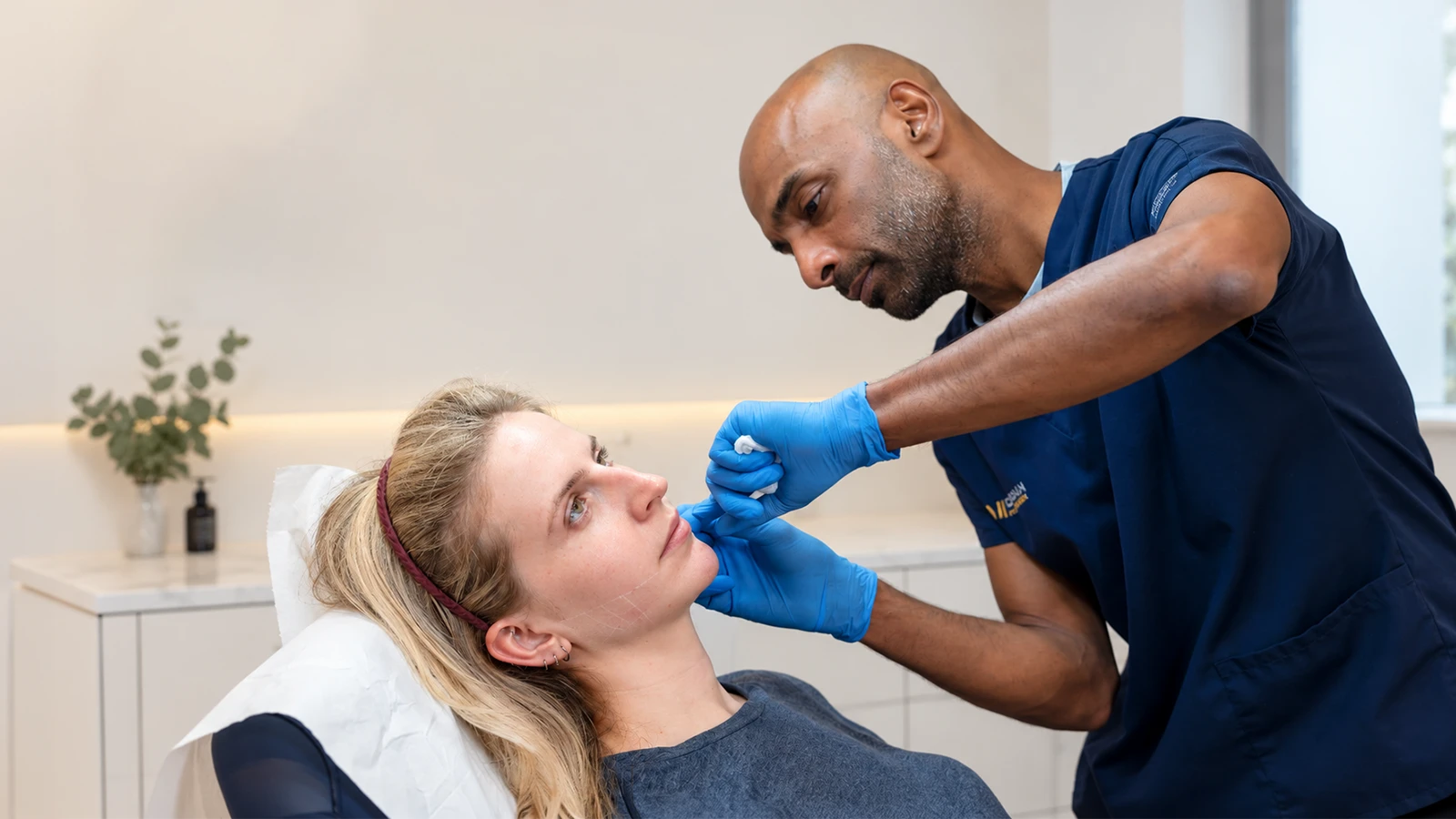
Most appointments are straightforward. We begin by confirming the plan and checking that nothing has changed in your health, medication or upcoming schedule. Baseline photographs help us review the result fairly later. The skin is cleaned carefully, the treatment points are marked where appropriate and we talk through each step before starting.
The sensation varies with the product and area. You may feel a series of small pinches, pressure or brief stinging. Delicate areas such as the under-eyes can feel more sensitive, while broader facial Profhilo treatment is usually completed quite quickly. Comfort measures can be discussed in advance if you are nervous.
What might I look like afterwards?
It is sensible to allow for some short-term redness, tenderness, small raised points, swelling or bruising. Profhilo injection points can leave little bumps that generally flatten as the product settles. Under-eye polynucleotide treatment may create more noticeable puffiness because the area is delicate.
Many patients return to normal daily activities soon afterwards, but I would not arrange treatment immediately before a wedding, important photographs or another event where even a small bruise would worry you. Your personalised aftercare will explain when to restart makeup, exercise, active skincare and other treatments.
What is usually part of normal early recovery?
Mild redness, tenderness, small bumps, puffiness or a bruise can occur after an injectable treatment and commonly improve as the area settles. Keep the skin clean, avoid rubbing or pressing it and follow the written advice from your appointment.
Less common complications are discussed properly during consent. If anything feels unexpectedly painful, severe or is getting worse rather than better, contact the clinic. You will be given clear aftercare and contact instructions, so you are never expected to guess on your own.
Who May Need a Different Plan or Better Timing?
Suitability is individual and product-specific. Sometimes the right answer is to change the timing, choose a different treatment or gather more medical information first. This is a normal part of doctor-led care, not a disappointing consultation.
Treatment is generally postponed during pregnancy or breastfeeding, when you are unwell or when there is active infection, inflammation, a cold sore or broken skin in the treatment area. Allergies to product ingredients matter; at Dr Mohan Clinic, the fish-derived polynucleotide products used would not be suitable for somebody with a relevant fish allergy.
Please tell me about your medical conditions, medicines, supplements, previous reactions, implants, fillers, surgery, dental work and any recent or planned skin procedures. This allows the timing and product choice to be considered properly. Do not stop prescribed medicine simply to reduce the chance of bruising unless the clinician who manages it advises you to do so.
I may also suggest waiting when an important event is too close, your weight is changing quickly or we have not yet agreed what improvement would feel worthwhile. Sometimes a little more time gives us a clearer starting point and a better plan.
Sometimes the Best Plan Includes Skincare, Time or Another Expert
Regenerative treatments can be an excellent addition to a thoughtful skin plan, but they do not need to carry the whole plan alone.
Skincare gives every treatment a better foundation
A consistent broad-spectrum sunscreen, gentle cleanser, suitable moisturiser and well-chosen active ingredients can make a meaningful difference to hydration, pigmentation and photoageing. If your skin barrier is irritated by too many acids, retinoids or procedures, simplifying the routine may help it look calmer and healthier before we add anything injectable.
Time can protect a good result
Early swelling, a tired week, a recent weight change or a treatment that is still developing can distort what you see in the mirror. Baseline photographs and a planned review help us avoid chasing day-to-day changes. Sometimes the smartest next step is simply to let the result settle.
A referral can answer the right question
If the concern looks more like a medical skin condition, eye problem, dental issue or another health change, I may suggest your GP, dermatologist, ophthalmologist, dentist or another appropriate specialist. That does not close the door on aesthetic treatment; it makes sure we understand the concern first.
You are also allowed to choose no treatment
A consultation should make you clearer, not pressured. If you are already comfortable with your appearance, if the likely improvement does not feel worth the course to you or if you simply want more time, doing nothing is a completely valid decision.
“Dr Mo is a perfectionist who takes the time to listen to his patients and deliver tailored treatments that yield amazing results.” – Kate J
Read more Dr Mohan Clinic patient reviews about the consultation, treatment and follow-up experience.
What Happens at a Regenerative Aesthetics Consultation?
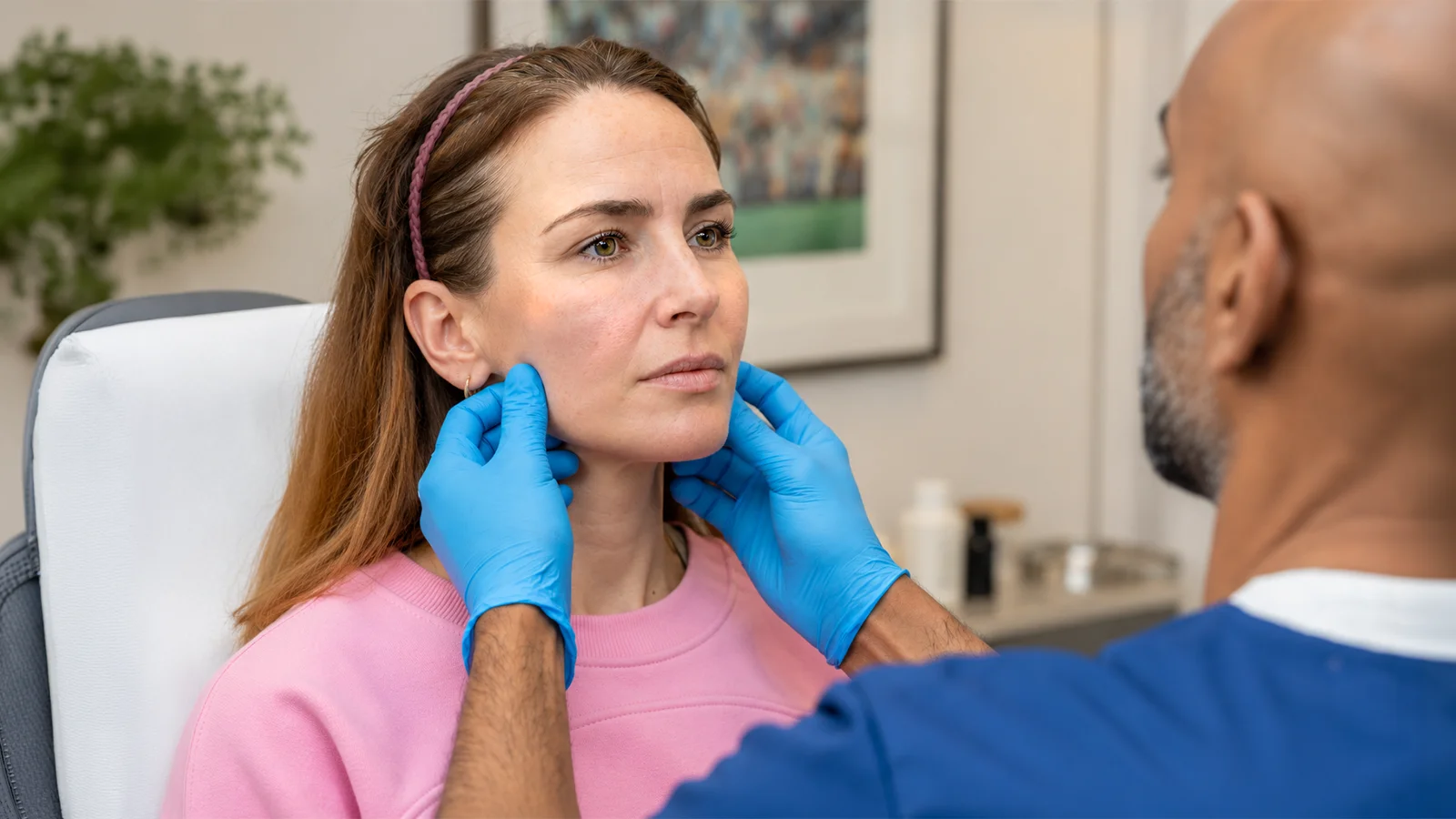
A useful consultation should feel more like a careful conversation than a sales appointment. I will ask what you have noticed, when it changed, what you have already tried and what you would regard as a worthwhile result. You are welcome to bring photographs or screenshots, including examples of results you like and ones you would prefer to avoid.
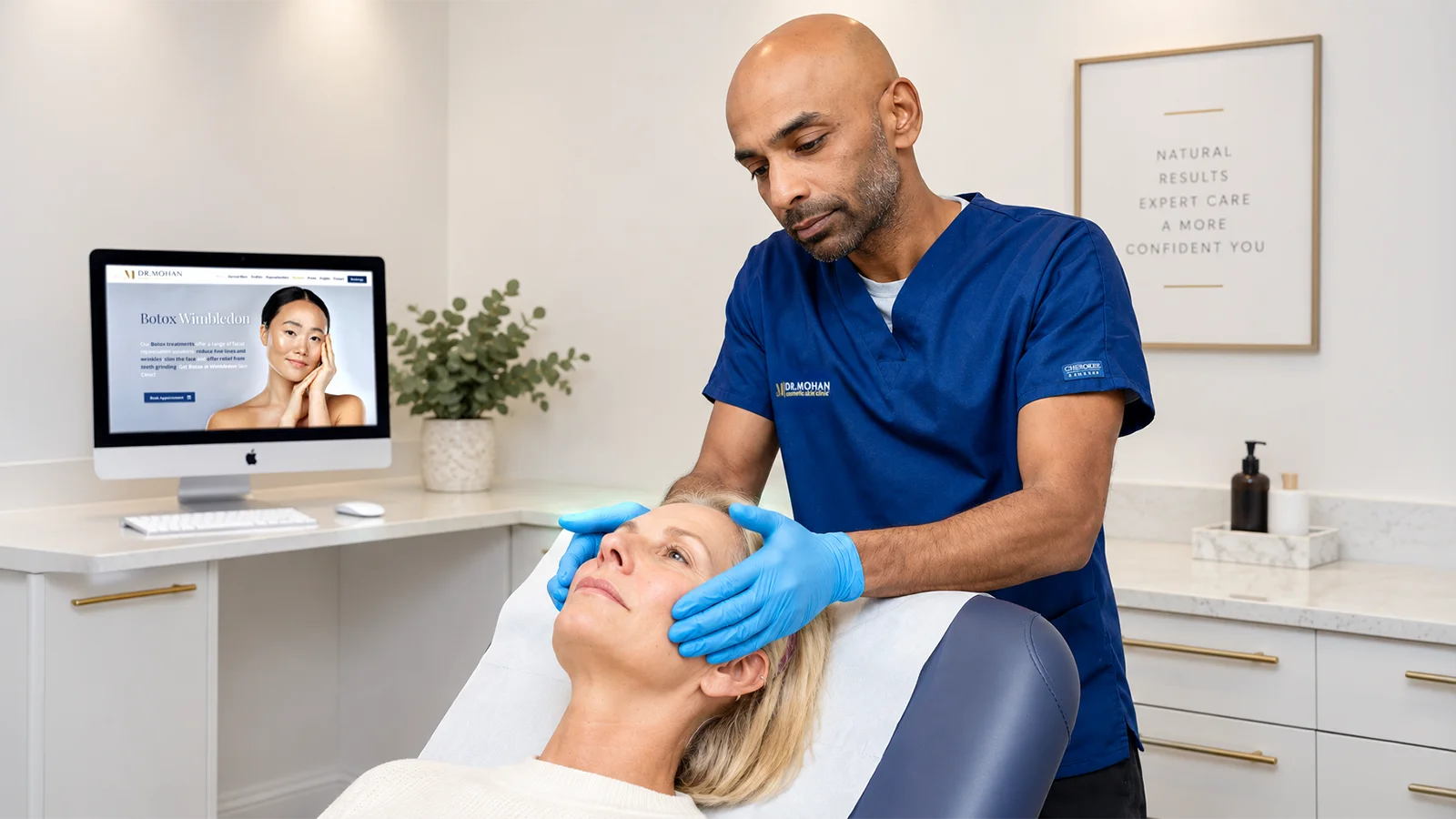
We will review your health, medicines, allergies, previous procedures and any important upcoming events. I will assess skin quality, movement, facial volume and support rather than looking at one isolated line. Where helpful, we will take consistent baseline photographs.
I will then explain the simplest reasonable options in plain English: what each treatment is intended to improve, the likely course, recovery, cost and alternatives. You can ask as many questions as you need and go home to think. Booking a consultation does not commit you to an injection.
Not sure which treatment name fits?
You do not need to decide between Profhilo, Structura and polynucleotides before you arrive. Tell me what you would like to improve. We can work out whether the priority is hydration, texture, under-eye skin, support – or something that needs a different approach.
Frequently Asked Questions
These are the questions I hear most often from patients comparing regenerative treatments. The answers are a useful guide, but your own assessment, product information and aftercare always take priority.
What is regenerative aesthetics?
It is a broad term for treatments intended to support the quality of the skin or nearby tissues over time. In practical terms, patients are usually asking for one of four things: better hydration, smoother texture, a fresher under-eye area or gentle facial support.
The useful part is not the label. It is identifying which visible change matters to you and choosing a treatment with a clear job.
Are polynucleotides better than Profhilo?
Neither is automatically better because they are often chosen for different priorities:
- Profhilo is usually the clearer discussion for broad hydration, glow and bounce.
- Polynucleotides are often considered when texture, crepiness, resilience or delicate under-eye skin matters more.
If you have both concerns, they may be staged rather than forced into a winner-and-loser comparison. Read the full Profhilo vs polynucleotides guide for a more detailed decision.
What is the difference between Profhilo and Profhilo Structura?
They share a product family, but they have different jobs.
- Classic Profhilo: used more superficially and across broader areas when hydration and overall skin quality are the priority.
- Profhilo Structura: formulated and placed at a deeper level for selected changes in superficial facial support.
A patient choosing classic Profhilo may want brighter, bouncier skin; somebody considering Structura may be more concerned that the lateral cheeks or lower face look flatter or less supported. See Profhilo vs Profhilo Structura for the full comparison.
Which treatment is best for under-eyes?
For thin, crepey or tired-looking under-eye skin, polynucleotides are often the most relevant of these three options. They may support a gradual improvement without adding conventional filler volume.
However, “dark circles” may be caused by:
- pigment or visible vessels;
- thin, finely creased skin;
- a hollow and the shadow it creates;
- or puffiness and lower-eyelid bags.
The best treatment depends on which part contributes most. My guide to polynucleotides before and after explains the gradual changes patients may notice.
Can Profhilo and polynucleotides be used together?
Yes – when they address separate goals. A patient might use Profhilo for broader facial hydration and polynucleotides for a specific under-eye texture concern.
- Agree the main priority.
- Treat it and allow the result to develop.
- Review the photographs and the real-life benefit.
- Add another step only when it has a separate, useful job.
Staging the plan makes it easier to see what each treatment contributed and helps the result remain natural and purposeful.
How quickly will I see results, and how many sessions may I need?
The pace depends on the treatment and the area:
- Profhilo: often begins with two sessions around four weeks apart. Hydration may be noticed earlier; bounce and texture are better judged after the course.
- Profhilo Structura: often begins with two sessions around four weeks apart. Early swelling should settle before support and contour are assessed.
- Polynucleotides: often begin with three sessions around three weeks apart, depending on the product and area. The improvement is usually gradual.
These are starting points rather than universal prescriptions. See how many polynucleotide sessions you may need, and use baseline photographs to judge a genuine change more fairly.
Is there much downtime, and when might treatment need to wait?
Many people return to everyday activities quickly, but “low downtime” does not mean nothing will be visible. You may notice:
- small injection-point bumps or redness;
- tenderness, puffiness or bruising;
- and more noticeable temporary swelling around the delicate under-eye area.
Allow a sensible buffer before an important event. Treatment is commonly postponed during pregnancy or breastfeeding, when you are unwell, or when there is active infection, inflammation, a cold sore or broken skin in the area. Please also tell me about allergies, medicines and previous reactions; fish allergy matters for the fish-derived polynucleotide products used at Dr Mohan Clinic.
Use the linked Profhilo aftercare and polynucleotides aftercare guides to plan exercise, makeup, heat and active skincare.
How much do regenerative treatments cost, and what should I consider before booking?
Cost depends on the product, treatment area and number of sessions in the agreed plan. The fair comparison is the likely course – not only the price of one appointment.
Before booking, consider:
- the specific improvement you want;
- the likely number of sessions;
- time for the result to develop;
- possible short-term recovery;
- and whether future maintenance would feel worthwhile.
Dr Mohan Clinic publishes its current treatment prices online, and your personalised plan is confirmed before treatment. If the expected benefit does not feel worth the full course to you, there is no pressure to proceed.
The Bottom Line
Regenerative aesthetics is most useful when it gives us a better way to talk about skin and tissue quality – not when it becomes another complicated label.
Profhilo may help skin feel more hydrated, bouncy and refreshed. Profhilo Structura may offer soft support through selected facial areas when the change sits deeper. Polynucleotides may help improve texture, resilience and delicate skin, including the under-eyes.
The right question is rarely “Which product is best?” A better question is: “What would I like to improve, and which treatment has the clearest role in helping me get there?”
If we decide to treat, my aim is straightforward: a carefully planned, natural-looking improvement that still feels like you, with time to review the result properly before deciding whether anything else is needed.

A good result starts with a shared plan and a reliable baseline, then ends with an honest review of what has changed and how you feel about it.
Would You Like to Talk Through Your Options?
If you are thinking about Profhilo, Profhilo Structura or polynucleotides but are not sure which option fits your skin, you are welcome to book a free consultation with me at my doctor-led aesthetic clinic in Wimbledon.
Bring your questions, screenshots and treatment names. I will listen to what you would like to improve, assess the relevant areas and explain the options in plain English. If one of these treatments could help, we can build a plan around your priority. If skincare, more time or another approach would serve you better, I will tell you that too.
There is no production line and no pressure to decide on the spot. The aim is for you to leave feeling informed, comfortable and confident about your next step – whatever that step may be.
Prefer to speak first? Call 07702 389 636 or use the enquiry form below.
Warm regards,
Dr Suresh Mohan
Ask Dr Mohan a Question
If you would like help deciding whether Profhilo, Profhilo Structura, polynucleotides or another approach is worth discussing, send a short message. Please do not include sensitive medical information in the website form; we can discuss relevant details privately.
By clicking ‘Send enquiry‘ you agree to Dr Mohan Clinic’s Privacy Notice.
Evidence and Further Reading
This guide combines Dr Mohan’s clinical experience with current published research and independent UK patient-safety guidance. Useful starting points include:
- 2026 systematic review of Profhilo and Profhilo Body
- Systematic review of polynucleotides in aesthetic medicine
- 2026 systematic review of randomised trials involving polynucleotides and PDRN
- NHS guidance on choosing who will do your cosmetic procedure
- NHS guidance before having a cosmetic procedure
- 2024 observational pilot study of Profhilo Structura in the lateral cheek fat compartment
Medical note: This article provides general educational information and does not replace an individual medical consultation. Treatment suitability, product choice, area, course, expected improvement, contraindications and aftercare must be decided after an individual assessment.