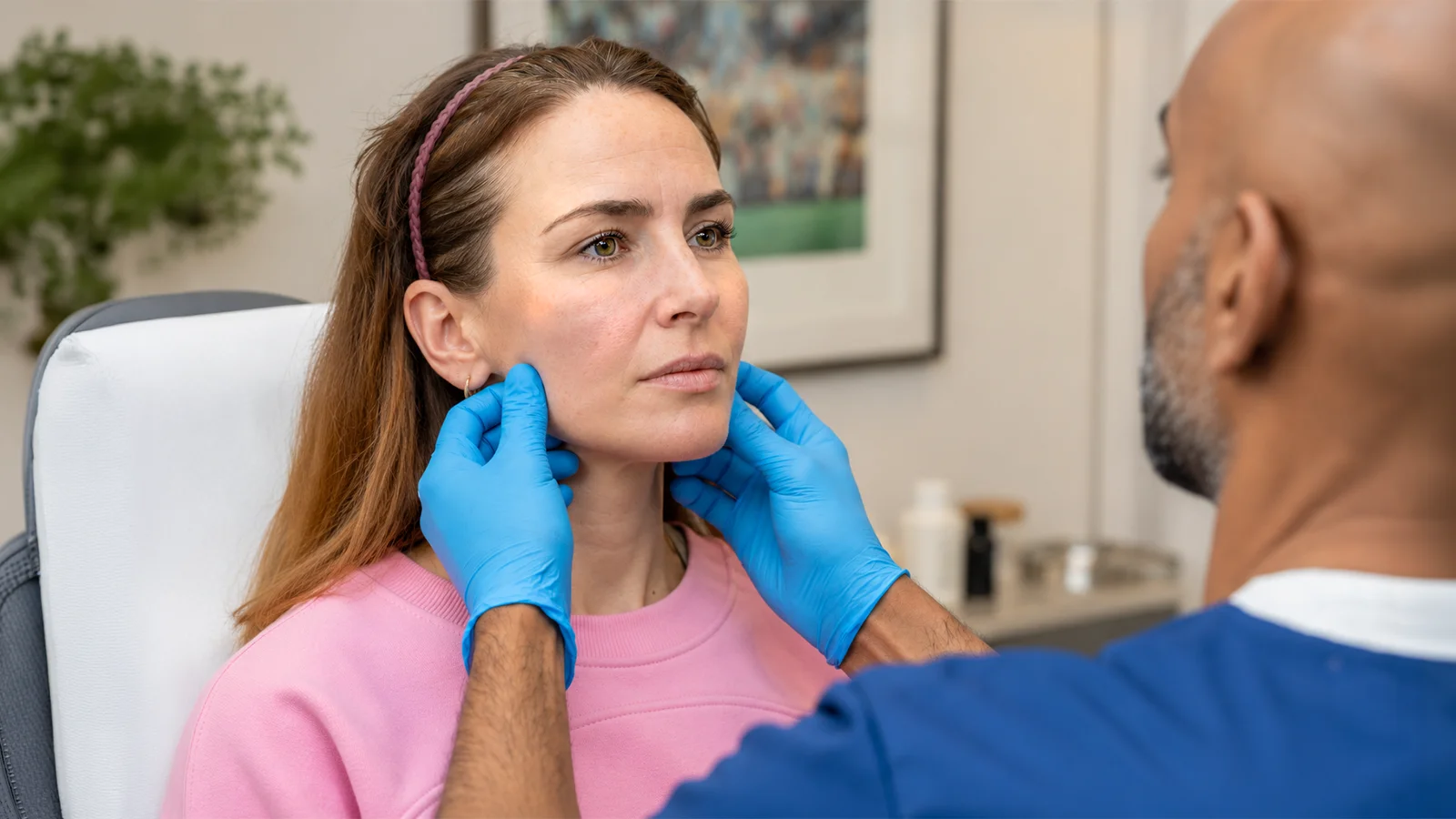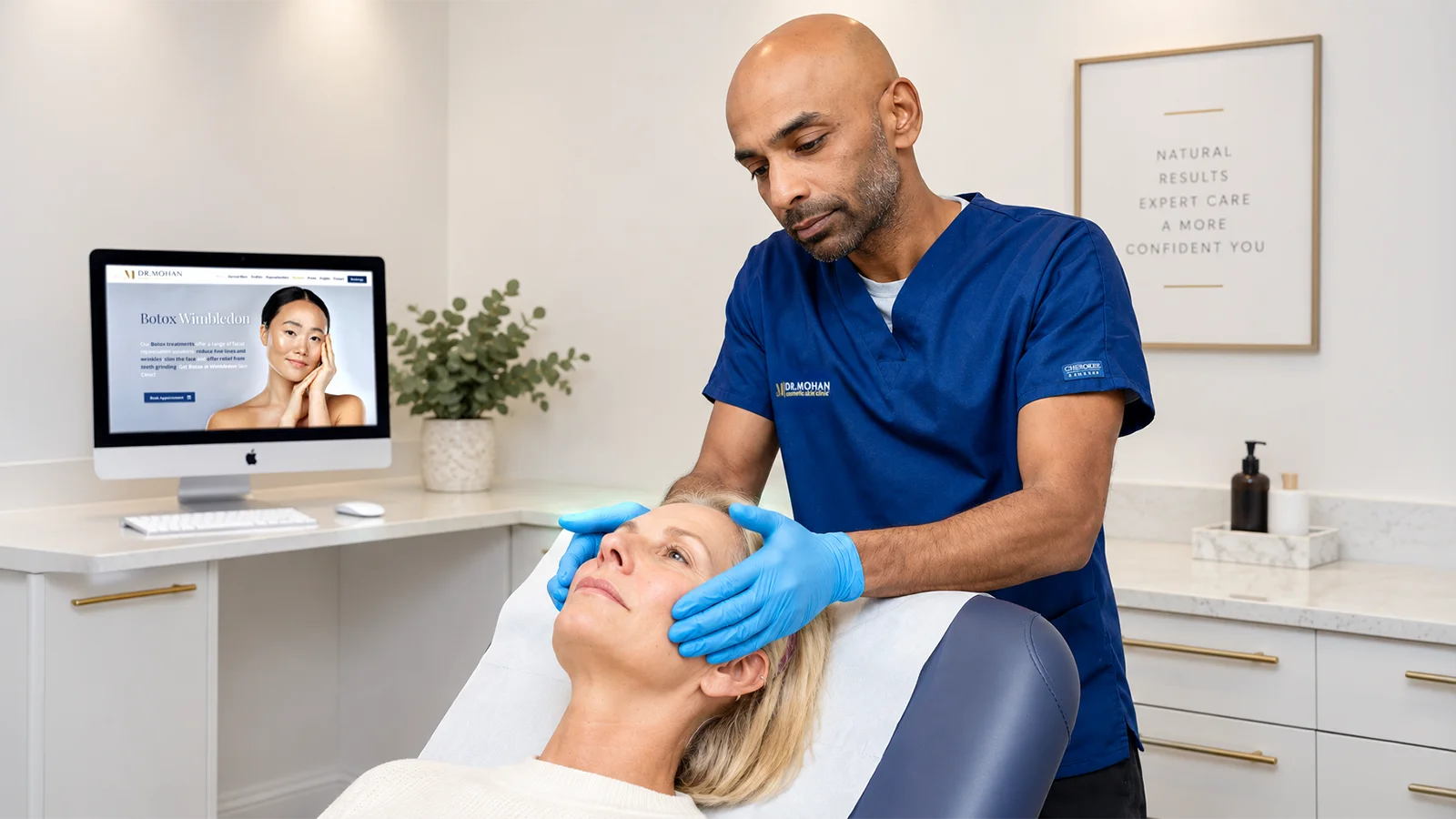
Supporting Skin Repair and Better Results with Polynucleotides Aftercare
Polynucleotides are one of the most exciting regenerative treatments in aesthetic medicine, helping to improve skin quality, support repair, and encourage a fresher, healthier-looking appearance over time. They are especially popular for delicate areas such as the under-eyes, but they can also be used more widely to improve texture, hydration and overall skin resilience.
Good aftercare plays an important role in how comfortably your skin heals and how smoothly your treatment settles. Whether you have just had polynucleotides and want clear, practical advice, or you are researching the treatment before booking, this guide will walk you through exactly what to do, what to avoid, what is normal, and when to get in touch.
Updated: 2026 – Polynucleotides Aftercare Advice from a Wimbledon Aesthetic Doctor
I’m Dr Suresh Mohan, a GMC-registered medical doctor i specialising in injectable treatments such as polynucleotides, Profhilo, Botox and dermal fillers. This guide is regularly updated to reflect current best practice and the questions I hear most often from patients. Where useful, I also link to general patient-safety guidance such as NHS information on cosmetic procedures.
Polynucleotides work differently from treatments that give an instant “filled” effect. Rather than simply adding volume, Polynucleotides are designed to support the skin’s own repair processes, helping improve hydration, elasticity, tissue quality and overall skin health over time. That is one of the reasons they are often chosen by patients who want a more natural, regenerative approach.
If you’re still deciding whether polynucleotides are the right choice for you, my article “Botox, Profhilo, Fillers & Polynucleotides: Find Your Best Fit” is a helpful place to start. It compares the main injectable options I offer and explains how they can work together as part of a personalised treatment plan.
Polynucleotides Aftercare at a Glance (First 24–48 Hours)
If you have just had treatment and want the short version, start here.
Do
- Keep the area clean and avoid touching it unnecessarily
- Use a gentle cleanser after the first few hours if needed
- Apply a cool compress in short intervals if you notice swelling
- Sleep on your back if possible, especially after under-eye treatment
- Drink plenty of water over the next day or two
- Use SPF daily to protect the treated skin
Avoid
- Rubbing or massaging the treated area
- Makeup for 24 hours on the treated skin
- Hard exercise for 24–48 hours
- Saunas, steam rooms, hot yoga and heat exposure
- Alcohol for 24 hours
- Retinol, acids and active skincare for about a week
- Peels, laser, microneedling or other facial treatments on the same area for around 2 weeks
Mild redness, small bumps, tenderness and light swelling are all common in the first couple of days and usually settle quickly. If anything feels unusually painful, looks worse rather than better, or you are worried at any stage, it is always best to contact the clinic.
Polynucleotides Aftercare Instructions
If you prefer to keep the essentials in one simple place, I’ve created a Polynucleotides Aftercare Card that you can save on your phone or print at home. It highlights the key do’s and don’ts from this guide, so you have them to hand in the first few days after treatment.
You can also download my full Polynucleotides Aftercare PDF for a printable version of this advice.

Good polynucleotides technique gives the treatment its potential; good aftercare helps secure the result.
Polynucleotides Aftercare Timeline: What to Expect Day by Day
Polynucleotides do not give an instant “done” result. The first few days are mainly about letting the skin settle, reducing swelling and irritation, and protecting the tiny injection points while your skin begins its repair process. Below is a clear, doctor-written timeline so you know what to do, what to avoid, and what is usually normal at each stage.
⏱ First 6 Hours: The Settle-Down Phase
In the first few hours after treatment, it is normal to see mild redness, tiny bumps at the injection points, and a little tenderness or stinging. This is simply the skin’s immediate response to the injections.
What to Do:
- Keep the area clean and leave it alone.
- Stay upright for the first few hours.
- Follow the aftercare advice given at your appointment.
- Keep the skin clean and free of makeup.
What to Avoid:
- Touching, rubbing or pressing the treated area.
- Applying makeup or heavy skincare straight away.
- Lying face-down or putting pressure on the area.
- Using anything harsh, active or fragranced on the skin.
First 24 Hours: Protect the Skin
Over the first day, the redness and small bumps usually start to soften, although mild swelling can become a little more noticeable. This is especially common in delicate areas such as under the eyes.
What to Do:
- Cleanse gently with a mild cleanser and lukewarm water.
- Use a cool compress in short intervals if you are swollen.
- Drink plenty of water through the day.
- Sleep on your back if possible, especially after under-eye treatment.
What to Avoid:
- Makeup on the treated area for 24 hours.
- Hard exercise, gym sessions or hot yoga.
- Saunas, steam rooms, sunbeds and very hot showers.
- Alcohol and active skincare such as retinol or acids.
Days 2–3: The Puffiness Phase
For some patients, swelling or puffiness is most noticeable around days 2 to 3. Bruising can also become more visible at this stage, even if it was not obvious straight after treatment. This can still be completely normal.
What to Do:
- Keep your skincare simple, gentle and hydrating.
- Continue using SPF every morning.
- Stay well hydrated and rest if you feel puffy.
- Sleep with your head slightly elevated if it helps.
What to Avoid:
- Rubbing, pressing or massaging the area.
- Vigorous exercise or anything that leaves you flushed and overheated.
- Scrubs, exfoliating acids, retinoids or strong vitamin C.
- Judging the result too early.
Days 4–7: The Settling Phase
By this point, most redness and swelling should be improving. Small bumps usually become much less noticeable, and the skin often starts to look calmer and more settled.
What to Do:
- Return to normal daily activities as you feel comfortable.
- Keep using gentle, supportive skincare.
- Continue daily SPF 30–50.
- Let the treatment settle naturally without interfering with it.
What to Avoid:
- Peels, laser, microneedling or strong facials on the same area.
- Heavy exfoliation or aggressive cleansing.
- Picking at the skin or trying to “fix” small uneven areas yourself.
- Extra treatments before the skin has fully settled.
After 1–2 Weeks: Early Recovery Complete
For most people, the treatment area looks settled within one to two weeks. The skin is usually calmer by this point, but the real regenerative benefits of polynucleotides continue to develop over the following weeks.
What to Do:
- Return gradually to your normal skincare if the skin feels calm.
- Attend your follow-up if one has been arranged.
- Keep protecting the area with SPF.
- Be patient and allow time for the treatment to work.
What to Avoid:
- Expecting the final result too early.
- Comparing your result day by day in a worrying way.
- Booking more treatments before review if you are unsure.
If you are also planning other injectable treatments, you may find my Complete Guide to Profhilo Aftercare and Complete Guide to Botox Aftercare helpful too.
If your treatment was around the eyes or neck, see the Area-Specific Polynucleotides Aftercare section below for a few extra practical tips.

Polynucleotides settle in the first few days, while results build gradually over time.
When Do Polynucleotides Start to Work? A Realistic Results Timeline
One of the most important things to understand about polynucleotides is that they are not an instant-result treatment. They work by supporting tissue repair, hydration and collagen signalling, so improvements tend to build gradually rather than appearing all at once. That slower, more natural progression is one of the reasons many patients like them.
Week 1–2
In the first couple of weeks, the main changes are usually related to settling and recovery. Once redness, bumps and swelling have gone down, the skin may start to look a little calmer, fresher or better hydrated, but it is still early. Under the eyes in particular, puffiness can make the area look worse before it looks better, and that can still be normal in the short term.
Weeks 3–6
This is often the point where patients begin to notice early visible improvements in texture, hydration, fine lines and overall skin quality. The effect is usually subtle rather than dramatic, especially after a first treatment, but the skin often starts to look healthier and more rested.
Around 6–12 Weeks
This is when the regenerative side of the treatment becomes more obvious. Improvements in skin quality and elasticity can continue to build as collagen-related changes develop over time. For many people, the best result is seen after a course of treatments, not after a single session.
After a Full Course
Most treatment plans involve 2–3 sessions spaced about 3–4 weeks apart, followed by maintenance sessions later if needed. This is usually when results become more consistent and satisfying, especially in delicate areas such as the under-eyes where change tends to be gradual.
A simple way to think about it
Polynucleotides are more like skin repair and support than a quick cosmetic fix. If you are expecting a same-day transformation, you may feel disappointed. If you understand that the treatment works progressively over weeks, the results usually make much more sense.

Polynucleotides work gradually, especially under the eyes — this timeline shows when early improvements usually begin to appear.
If you are still at the planning stage, you may also want to read how many polynucleotide sessions you are likely to need.
What Is Normal After Polynucleotides – and When Should You Contact the Clinic?
Polynucleotides are generally very well tolerated, and most patients find the recovery straightforward. In the first few days, it is completely normal to notice some visible changes in the treated area while the skin settles.
The key is knowing the difference between expected short-term side effects and symptoms that need a closer look.
What Is Common and Usually Normal?
In the first 24–72 hours, it is common to notice some mild after-effects around the injection points. These are usually part of the normal settling process and tend to improve steadily on their own.
Common, expected side effects include:
- Mild redness at the injection sites
- Small bumps or papules where the product was placed
- Slight tenderness or a bruised feeling
- Mild swelling or puffiness
- Light bruising
- Under-eye puffiness, if that area has been treated
These changes are usually temporary and should gradually settle over the first few days. Under the eyes, swelling can sometimes last a little longer because the skin is thinner and more delicate there. In most cases, the area looks significantly calmer within a week.
When Should You Contact the Clinic?
Although mild redness, bumps and swelling are common, symptoms should generally become less noticeable, not more intense, as the days go on. If the area starts to look or feel worse rather than better, it is important to get advice.
Please contact the clinic promptly if you notice:
- Redness that is worsening rather than fading
- Increasing heat in the treated area
- Severe or unusual pain
- Swelling that is spreading or becoming more pronounced
- Pus, oozing, or other signs of infection
- Unusual colour changes in the skin
- Any visual symptoms if the area around the eyes has been treated
If symptoms are becoming more intense rather than settling, it is important to ask for advice promptly.
If you are ever unsure, it is always safer to contact the clinic and ask.
For broader patient safety advice, the NHS also provides useful guidance on cosmetic procedures.
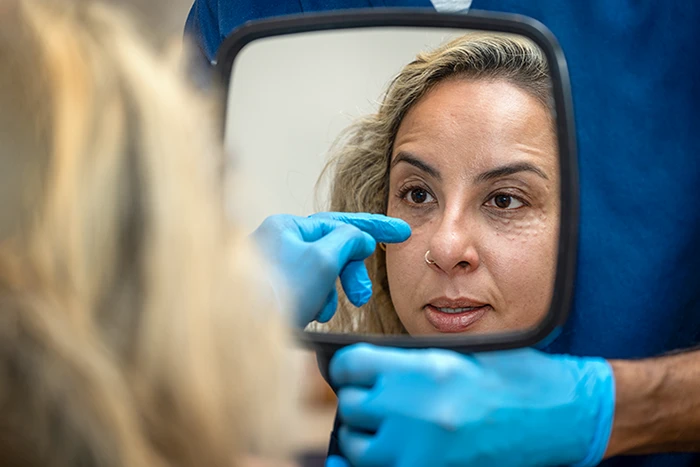
A patient checks the treated under-eye area in a mirror immediately after polynucleotide treatment at Dr Mohan Clinic. Small post-treatment marks are normal and usually settle quickly.
Polynucleotides Aftercare: Symptom vs Action
After polynucleotides, it is normal to notice a few short-term changes while the skin settles. Most are mild and improve on their own, but it helps to know what is expected, what you can manage at home, and when it is best to get advice.
Redness
What is usually normal:
Mild redness around the injection sites is common straight after treatment and often settles within a few hours to a couple of days.
What to do:
Keep the skin cool, avoid touching the area, and use only gentle skincare.
When to contact the clinic:
If the redness is spreading, becoming more intense, or is still getting worse after the first couple of days.
Swelling
What is usually normal:
Mild swelling or puffiness is common, especially in delicate areas such as under the eyes. It may be more noticeable on days 2 to 3 before improving.
What to do:
Use a cool compress in short intervals, sleep with your head slightly elevated, and avoid heat, alcohol and hard exercise.
When to contact the clinic:
If swelling is becoming more pronounced rather than settling, feels unusual, or is affecting one area much more severely.
Bruising
What is usually normal:
Light bruising can happen after any injectable treatment and may take several days to fade.
What to do:
Be gentle with the area, avoid rubbing, and allow time for it to settle naturally. Once the skin is calm, makeup can usually be used to cover light bruising if needed.
When to contact the clinic:
If the bruising is unusually painful, expanding significantly, or looks very different from a typical bruise.
Bumps or Papules
What is usually normal:
Small bumps or papules at the injection points are very common after polynucleotides and usually settle as the product disperses and the skin calms down.
What to do:
Leave them alone, keep the area clean, and be patient. They usually improve over the first few days.
When to contact the clinic:
If bumps remain very prominent, become painful, or have not improved after about one to two weeks.
Tenderness
What is usually normal:
A slight bruised, sore or tender feeling is common in the treated area for the first few days.
What to do:
Keep skincare simple, avoid pressure on the area, and let the skin recover quietly.
When to contact the clinic:
If the pain feels severe, unusual, or is increasing rather than improving.
Under-Eye Puffiness
What is usually normal:
If you have had under-eye polynucleotides, puffiness can look more obvious because the skin is thinner and more delicate there. This often settles gradually.
What to do:
Sleep with your head slightly elevated, avoid rubbing the eyes, and keep the area cool and calm.
When to contact the clinic:
If the puffiness becomes significantly worse, feels hot or painful, or you notice unusual asymmetry that is not improving.
Signs of Infection or Something More Serious
What is usually normal:
Polynucleotides usually cause only mild, temporary after-effects.
What to do:
Monitor the area, follow the aftercare advice carefully, and contact the clinic early if you are unsure.
When to contact the clinic promptly:
Please get in touch if you notice:
- worsening redness
- increasing heat
- severe pain
- spreading swelling
- pus or oozing
- unusual colour changes in the skin
- any visual symptoms if the area around the eyes has been treated
If you are ever unsure, it is always safer to contact the clinic and ask.

Knowing what is normal after polynucleotides — and when to ask for advice — helps you recover with more confidence.
Area-Specific Polynucleotides Aftercare
Polynucleotides can be used in several different areas, and the aftercare is broadly similar across them all: keep the skin clean, avoid pressure, and give the area time to settle. That said, some parts of the face and body are naturally more delicate than others, so it helps to know what is most relevant for the area you have had treated.
Under-Eye Polynucleotides Aftercare
The under-eye area is one of the most popular places for polynucleotides, but it is also one of the most delicate. Because the skin is thinner here, swelling and puffiness can be more noticeable, especially in the first few days.
What to Do:
- Sleep on your back if possible, with your head slightly elevated
- Keep the area cool and clean
- Be very gentle when cleansing or applying skincare nearby
- Use SPF daily to protect the skin
What to Avoid:
- Rubbing or pressing around the eyes
- Eye creams with retinol, acids or strong fragrance for about a week
- Hard exercise, heat and anything that increases puffiness in the first 24–48 hours
- Judging the result too early, as the under-eye area can take a little longer to settle
Face Polynucleotides Aftercare
When polynucleotides are used more generally across the face, the aftercare is usually straightforward. The main aim is to protect the tiny injection points and avoid irritation while the skin begins its repair process.
What to Do:
- Cleanse gently with a mild cleanser
- Keep your skincare simple and hydrating
- Drink plenty of water
- Use SPF 30–50 every day
What to Avoid:
- Makeup for 24 hours on the treated area
- Retinol, acids, scrubs and other active skincare for about a week
- Touching, rubbing or massaging the skin
- Heat, saunas, steam rooms and hard exercise in the first 24–48 hours
Neck Polynucleotides Aftercare
The neck can respond beautifully to polynucleotides, but it is also an area where the skin can be sensitive and easily irritated. Friction from clothing, perfume or harsh skincare can sometimes make the area feel more reactive while it is settling.
What to Do:
- Keep the skin clean and well moisturised
- Use gentle, fragrance-free products if possible
- Apply SPF daily to the neck as well as the face
- Allow the area to settle before returning to stronger products
What to Avoid:
- Perfume or strongly fragranced skincare on the treated area
- Tight collars or anything that rubs against the neck
- Exfoliating acids, retinoids or scrubs for about a week
- Laser, peels or microneedling on the area for around 2 weeks
Hands Polynucleotides Aftercare
If polynucleotides are used on the hands, aftercare is still simple, but this area is exposed to frequent washing, sun and friction, so it needs a little extra care while the skin settles.
What to Do:
- Keep the hands clean and well moisturised
- Use SPF daily on the backs of the hands
- Be gentle with the area in the first few days
- Let any small bumps or bruises settle naturally
What to Avoid:
- Heavy friction or pressure on the treated area
- Harsh cleaning products without gloves
- Scrubbing or exfoliating too soon
- Judging the result immediately, as skin quality changes develop gradually
Practical Extras After Polynucleotides
- Avoid compressive masks, helmets or goggles for about 5 days, especially if the under-eye or upper face has been treated.
- Sunglasses may feel more comfortable after under-eye treatment.
- A soft scarf can help protect the area after neck treatment.
- Arnica may help with bruising if it is suitable for you and your practitioner is happy for you to use it.

The best aftercare advice depends not only on the product used, but also on the area treated and your individual treatment plan.
Aftercare helps support the early recovery stage, but the final result develops gradually. I explain the longer-term picture in my guide to how long polynucleotide injections last.
How Do I Get the Best Results from Polynucleotides?
Polynucleotides are not a quick-fix treatment. They work gradually by supporting the skin’s natural repair processes, which means the best results usually come from a combination of good treatment technique, sensible aftercare and realistic expectations. A few simple habits can make a real difference to how well your skin responds over time.
✔ Complete the Recommended Course
Polynucleotides usually work best as a course rather than a one-off treatment. For many patients, the real benefit becomes clearer after a series of sessions rather than after the first appointment alone.
✔ Keep the Skin Calm and Protected
In the early stages, simple skincare is best. Gentle cleansing, hydration and daily SPF all help support the skin while it settles, while strong actives and irritation can work against recovery.
✔ Support Your Skin with Healthy Habits
Good sleep, hydration and a balanced lifestyle still matter. Polynucleotides do the regenerative work, but healthy habits can help your skin respond more smoothly and maintain results over time.
✔ Be Patient
One of the biggest mistakes people make is expecting too much too soon. Polynucleotides are designed to work quietly in the background, and the improvement usually becomes more noticeable over several weeks rather than overnight.
If you would like to know how many Polynucleotides sessions are usually recommended, I cover that in more detail on my main Polynucleotides treatment page.
If you are unsure what good daily sun protection looks like, the NHS also has clear sun safety advice.
Polynucleotides Aftercare FAQs
If you are looking for a quick answer, this section covers the questions patients ask most often after treatment. If your concern is more specific or something does not feel right, it is always best to contact the clinic directly.
1. What is the aftercare for polynucleotides?
After polynucleotides, the main priorities are to keep the area clean, avoid touching or rubbing it, and give the skin time to settle. For the first 24–48 hours, it is best to avoid makeup, hard exercise, alcohol, saunas, steam rooms and excessive heat, as these can increase irritation, swelling or bruising.
Simple, gentle skincare is usually best. Most patients do well with a mild cleanser, bland moisturiser, daily SPF and patience while the treatment begins its regenerative work.
2. How soon after polynucleotides can I wash my face?
You can usually wash your face after the first few hours, using lukewarm water and a gentle cleanser. Pat the skin dry rather than rubbing it, and avoid anything harsh or exfoliating straight away.
The aim on the first day is to keep the skin clean but calm. Strong cleansing brushes, scrubs and aggressive rubbing are best avoided while the injection points are still fresh.

After polynucleotides, keep cleansing gentle — lukewarm water, a mild cleanser, and no rubbing.
3. What can I put on my face after polynucleotides?
In the early stages, it is best to keep things simple. A gentle cleanser, a plain hydrating moisturiser, and SPF are usually all you need at first.
For the first few days, it is sensible to avoid retinol, exfoliating acids, scrubs and strong vitamin C, especially if the area still feels sensitive. The skin usually responds best to a calm, low-irritation routine while it settles.
4. How long do polynucleotides take to settle?
Most of the visible after-effects — such as redness, bumps and mild swelling — settle within a few days. In more delicate areas, especially under the eyes, puffiness can sometimes last a little longer.
The treatment itself works much more gradually than that. While the skin may look calmer quite quickly, the regenerative benefits usually continue to build over the following weeks rather than overnight.
5. Can I sleep on my side after polynucleotides?
If possible, it is better to sleep on your back on the first night, especially after under-eye treatment. Keeping your head slightly elevated can also help reduce puffiness.
After that, normal sleeping positions are usually fine, but it is still sensible to avoid heavy pressure on the treated area while it is settling. This is particularly helpful in delicate areas where swelling can linger a little longer.
6. Can I exercise after polynucleotides?
It is usually best to avoid hard exercise for 24–48 hours after treatment. Anything that makes you hot, flushed or sweaty can increase swelling and make the skin feel more irritated.
Gentle walking is normally fine. More intense exercise, gym sessions, hot yoga and anything strenuous are better left until the skin has had a little time to settle.

After polynucleotides, gentle walking is fine — hard exercise is best avoided for 24–48 hours.
7. Can I drink alcohol after polynucleotides?
It is sensible to avoid alcohol for the first 24 hours after polynucleotides. Alcohol can contribute to dehydration, and in some people it may make swelling or bruising a little more noticeable.
After that, most people can return to normal. The main point is to give the skin a calm first day and avoid anything that could make the early settling phase more reactive.
8. Can I wear makeup after polynucleotides?
It is generally best to avoid makeup on the treated area for 24 hours. This helps reduce irritation and gives the tiny injection points time to settle properly.
After that, light makeup is usually fine if the skin feels calm. It is still a good idea to apply products gently and avoid dragging or pressing on the treated skin.
9. How long do lumps last after polynucleotides?
Small bumps or papules at the injection points are very common after polynucleotides and usually improve over the first few days. In delicate areas, they can sometimes remain noticeable for a little longer before fully flattening out.
If bumps are becoming more obvious rather than less, feel unusually painful, or have not improved after about one to two weeks, it is worth contacting the clinic for advice.
10. Should I ice after polynucleotides?
A cool compress can be helpful if you feel swollen or puffy, especially in the first 24 hours. It should be used gently and in short intervals, rather than held against the skin for long periods.
Avoid placing ice directly on the skin. The aim is to cool the area, not to shock or irritate it.
11. When can I use retinol or acids again?
It is usually best to avoid retinol, exfoliating acids and other active skincare for about a week, or until the skin feels fully calm again. Polynucleotides are often used in delicate areas, so it makes sense to be cautious.
If your usual routine is quite active, it is better to reintroduce products gradually rather than all at once. The skin should feel settled before you go back to stronger ingredients.
12. How long after polynucleotides can I have microneedling or laser?
It is usually sensible to wait around 2 weeks before having microneedling, laser, peels or other more aggressive skin treatments on the same area. This gives the skin time to recover and reduces the chance of irritation.
If the area still feels sensitive, it may be better to wait a little longer. When in doubt, it is always safest to ask your practitioner before booking another treatment too soon.
13. How can I make polynucleotides last longer?
The best way to support longer-lasting results is to follow the recommended course, use daily SPF, keep your skincare gentle, and give the treatment time to build. Polynucleotides work gradually, so consistency matters more than quick fixes.
Healthy habits help too. Good sleep, hydration, sun protection and avoiding unnecessary irritation all support better long-term skin quality and help you get more from the treatment over time.

To help polynucleotides last longer, focus on consistency: daily SPF, gentle skincare, hydration and patience.
14. Why do my eyes look worse straight after treatment?
If you have had under-eye polynucleotides, it is very common for the area to look puffier, more uneven or temporarily “worse” straight after treatment. The under-eye skin is thin and delicate, so even mild swelling can look more dramatic there.
This does not usually mean the treatment has gone wrong. In many cases, it is simply the normal early settling phase. The area often looks much better once the swelling has calmed and the regenerative effects have had time to develop.
15. What side effects are normal after polynucleotides?
The most common short-term side effects are mild redness, small bumps or papules, slight tenderness, light bruising and mild swelling. These are usually temporary and tend to settle over the first few days.
Important: symptoms should generally become less noticeable, not more intense, as the days go on. If you notice worsening redness, increasing heat, severe pain, spreading swelling, pus, unusual colour changes or visual symptoms, you should contact the clinic promptly.
What Matters Most
Polynucleotides aftercare is mostly about keeping the skin calm, clean and protected while the treatment begins its repair process.
Most short-term side effects are mild, and the visible benefits usually build gradually over the following weeks.
Polynulceotides Aftercare Instructions – Quick Reference Card
If you prefer to keep everything in one simple place, I’ve created a Polynucleotides aftercare card you can save on your phone or print at home. It highlights the key do’s and don’ts from this guide so you have them to hand in the first few days after treatment. Please still read the full aftercare advice on this page, especially the section on what is normal and when to contact the clinic.
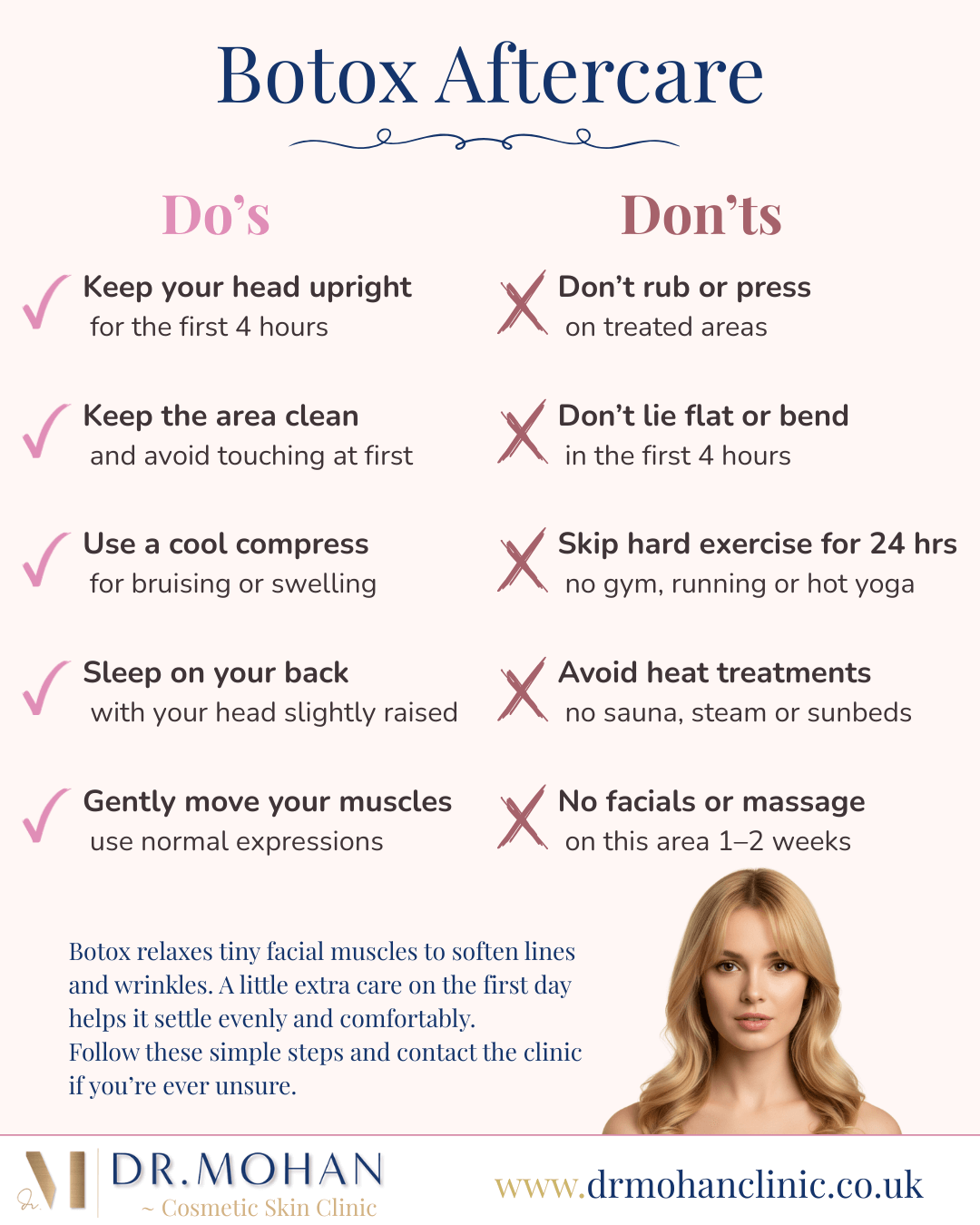
Polynucleotides aftercare instructions infographic with key do’s and don’ts from Dr Mohan Clinic in Wimbledon
You’re welcome to save or share this Polynucleotides aftercare card for personal use or with friends and family who have had Polynucleotides – please keep the clinic logo visible so they know where to find more detailed information.
Download the full Polynucleotides aftercare PDF
For a more detailed, printable version with step-by-step instructions, you can download my complete Botox aftercare guide: Polynucleotides Aftercare Guide: Do’s and Don’ts for Best Results.
Supporting Your Polynucleotides Results with Expert Aftercare
At my Wimbledon Polynucleotide clinic, my role does not end when your treatment is finished. Careful aftercare is an important part of the overall process, helping your skin settle well, recover comfortably, and get the best possible benefit from polynucleotides over time.
Because this is a regenerative treatment, the results build gradually rather than all at once. That is why good aftercare, sensible skincare, and realistic expectations all matter. By following the advice in this guide, you give your skin the best chance to heal well and respond as intended.
If you are considering polynucleotides treatment at Wimbledon clinic, or would like personalised advice about treatment or aftercare, you are very welcome to book a free consultation with me. You can also read Dr Mohan Clinic Reviews to see what patients say about their experience.
Book your free consultation here →
Or call me directly: 07702 389 636
Warm regards,
Dr Suresh Mohan
Contact Dr Suresh Mohan
Need reassurance after treatment?
Call / message the clinic if you have a question about swelling, bruising, headache or settling.
Thinking about Polynucleotides for the first time?
Book a free consultation to discuss whether Polynucleotides is the right option for you.
By clicking ‘Send enquiry‘ you agree to Dr Mohan Clinic’s Privacy Notice.