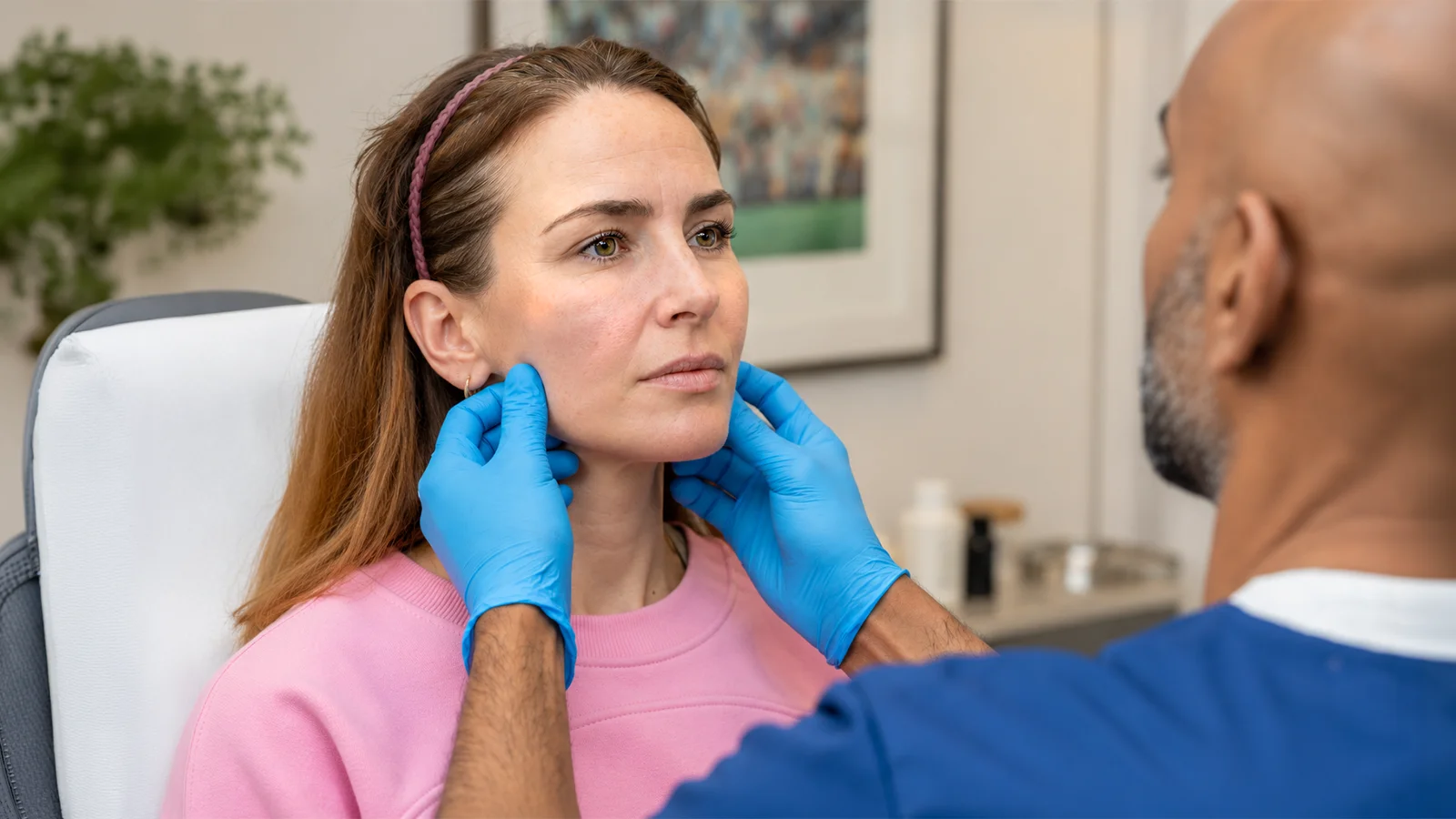
Polynucleotide treatments naturally regenerate and firm the skin, reducing wrinkles and sagging for long-lasting rejuvenation.
Book Free ConsultationCall Dr Mohan
GMC-registered doctor • Level 7 certified in Facial Aesthetics • Fully insured

Polynucleotides Wimbledon ~ Natural Skin Rejuvenation
If your skin has started to feel a little less firm, fresh or well-rested than it used to, you are not alone. For many people, the change is subtle at first — a little more crepey texture, a little less bounce, more tired-looking under-eyes, or skin that simply does not look as healthy and supported as it once did.
Polynucleotides are often chosen when the goal is to improve skin quality rather than dramatically change facial shape. They support hydration, firmness and overall skin condition, with gradual, natural-looking results.
At my Wimbledon clinic, I offer doctor-led Polynucleotide treatment with a calm, safety-first approach. I’m GMC-registered (4735795) and follow strict standards for hygiene, confidentiality and clinical best practice. My aim is to help your skin look fresher, healthier and better supported over time.
I offer free consultation
GMC-registered doctor • Level 7 certified in Facial Aesthetics • Fully insured
| Key Points | Dr Mohan Aesthetic Clinic |
|---|---|
| Location | West Wimbledon (SW20), close to Raynes Park |
| Best suited for | Skin quality, fine lines, crepey skin, under-eyes, hydration and texture |
| Treatment time | Usually around 30–45 minutes |
| Typical plan | Often 3 sessions, around 2–3 weeks apart |
| Downtime | Usually mild redness, swelling or small bumps for 24–48 hours |
| Next step | Doctor-led consultation and personalised treatment plan |
What are Polynucleotides?
Polynucleotides are regenerative injectable treatments designed to support skin repair, hydration and collagen activity. Rather than adding volume like dermal fillers, Polynucleotides are used to improve skin quality, texture and firmness with subtle, natural-looking results.
Many patients consider Polynucleotides when:
- the under-eye area looks tired, crepey or less supported
- the skin feels thinner, duller or less elastic
- fine lines are becoming more noticeable
- they want gradual improvement and regenerative approach to skin rejuvenation
They are especially popular for the under-eyes, face, neck and hands. That said, they are not the right treatment for every concern, which is why a careful consultation always comes first.
For a broader introduction to how Polynucleotides work and what they may help with, see my guide to polynucleotide treatment for skin health and rejuvenation.
Book Appointment

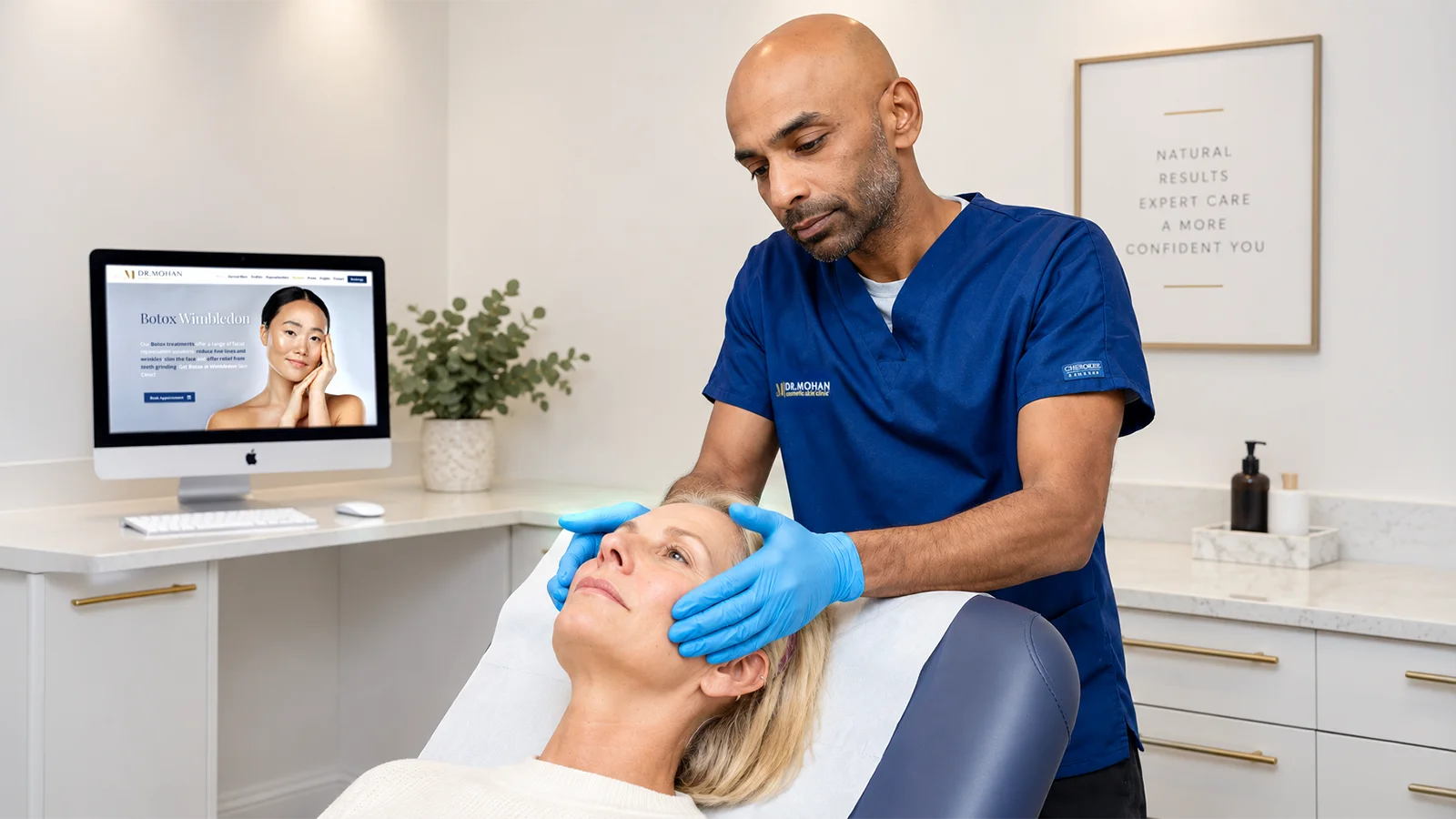
Patient receiving Polynucleotides treatment at the aesthetic clinic
Why are Polynucleotides especially popular for the under-eye area?
The under-eye area is one of the first places to show visible signs of ageing. Because the skin here is thin and delicate, it can start to look crepey, tired or less supported quite early.
Polynucleotides are often considered for the under-eye area because they are used to support skin quality, hydration and firmness, rather than simply add volume. This makes them appealing when the goal is subtle, natural-looking improvement.
They are not the right option for every under-eye concern, which is why a careful consultation is always important.
Thin, Crepey Skin & Loss of Firmness

Dark Circles & Tired Appearance


Under the eyes
Face
Neck
Hands
Arms
Décolletage
Abdomen
Legs, knees
Areas Polynucleotide can help you look and feel your best.
Benefits of Polynucleotide Treatment
Polynucleotides are used to improve skin quality in areas where the skin has started to lose some of its natural firmness, hydration or resilience. They are most commonly used on the face, but can also be very effective for the neck, décolletage and hands.
Benefits of Polynucleotide treatment may include:
- Skin quality – Improves hydration, texture and overall skin condition
- Elasticity – Supports smoother, more supple-looking skin
- Fine Lines – Helps soften the look of early lines and crepey texture
- Under-eyes – Can help the area look fresher and better supported
- Skin resilience – Supports healthier-looking, more resilient skin
- Rejuvenation – Gradual, natural-looking improvement over time
- Scarring and pigmentation – leaving brighter skin
This is why Polynucleotides are often chosen by patients who want subtle improvement in the skin itself, rather than a treatment that changes facial shape or adds obvious volume.
Unlock Your Beauty with Polynucleotides
~ Look and Feel Your Best!
Procedure Time
Back at Work
Waiting for Results
Results Will Last
"Choosing Polynucleotide treatment at my Wimbledon clinic means a doctor-led approach focused on subtle, natural-looking improvement and minimal disruption to your routine. Conveniently located for Wimbledon, Raynes Park and the wider South-West London area, my clinic offers personalised treatment plans, clear aftercare and realistic advice at every stage."
~ Dr Suresh Mohan, Cosmetic Skin Clinic
Polynucleotide Consultation
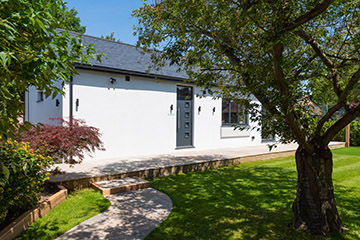
Consultations take place in the Garden Room at my clinic, a calm and private setting where appointments are never rushed. The aim is to help you feel comfortable, well informed and confident about whether Polynucleotide treatment is the right choice for you.
During the consultation, we will:
- Discuss your skin concerns, and evaluate your skin condition.
- Review the best options and the results that you’d like to achieve.
- Explain the procedure, recovery, and likely outcomes.
- Analyse your past medical history.
- Answer any questions you may have, including the costs.
Many common questions are also covered in my Polynucleotide FAQs, but I am always happy to talk things through in person during your consultation.
Book free consultation

Receive free Polynucleotide consultation at Dr Mo Skin Clinic.
Call on 07702 389 636 or email info@drmohanclinic.co.uk
Polynucleotide Procedure
Treatment usually takes around 45 minutes, including consultation, consent and the procedure itself. Once everything has been discussed, I will take a pre-treatment photograph for your records.
Polynucleotide injections can feel slightly more uncomfortable than Botox, but most patients tolerate them well. Numbing cream can be used if needed.
Treatment involves a series of small superficial injections using a fine needle or cannula, depending on the area being treated. You will notice improvements after one treatment, but a course of 3 treatments, spaced 2–3 weeks apart, is usually recommended, with maintenance often advised every 6 months.
Most normal activities can be resumed afterwards. Mild redness, swelling or small bumps may last 24–48 hours. You will be given full aftercare advice and a complimentary 2-week follow-up appointment.

A review appointment is offered 2 weeks after treatment, allowing us to check the treated area and discuss how things are progressing.
Polynucleotides Aftercare
Immediately following your treatment, there may be tiny swellings of product and redness at the injection sites. This is normal and can take 24-48 hours to disperse and spread into the skin fully. These should be allowed to settle naturally and NOT massaged in.
After the Polynucleotide treatment, it is best to:
- Avoid touching the area for 6 hours after the treatment.
- Avoid lying down for 6 hours and try to sleep face up that night.
- Avoid exercise for 24hrs after treatment.
- Avoid alcohol for 24hrs after treatment.
- Avoid extremes of heat for the first 3 days after treatment.
- Avoid cosmetic products containing Retinoids for 3 days before/after the procedure.
- Do not apply makeup for 24 hours post-treatment, but can use a gentle cleanser.
- Do not wear compressive masks, helmets or goggles for 5 days after the procedure.
- Sunglasses may be helpful after an eye treatment.
- A scarf may be helpful if treating the neck area.
You may like to try arnica cream. It is commonly used to reduce bruising, swelling, inflammation and pain.
For practical advice after treatment, please read my complete guide to polynucleotides aftercare.

Polynucleotide Review Appointments
All patients receiving Polynucleotides treatment at my Wimbledon clinic (SW London – Raynes Park) are invited for a review appointment 2 weeks post-treatment to assess the results and discuss the outcomes of the treated area.
What Patients Say
Read what my patients say about their treatment experience, and get a clearer sense of what you can expect at each stage.
If you are considering Polynucleotide treatment, it can be reassuring to hear from other patients who have visited my clinic. Their reviews often reflect the things many people care about most — feeling listened to, treated conservatively, and looked after properly from consultation to aftercare.
Patients from Wimbledon, Raynes Park, Putney, Kingston, Richmond, Surbiton and across South-West London often mention the calm setting, clear advice and natural-looking results they experience at my clinic.
Polynucleotide Price List
Book a free consultation to talk through pricing, treatment options and whether Polynucleotides are the right fit for your skin and goals.
How much do Polynucleotides cost in Wimbledon?
Polynucleotide treatment at my Wimbledon clinic starts from £350. The exact cost depends on the area being treated and how many sessions are recommended as part of your plan.
| Treatment | Prices from |
| Polynucleotide | Book online |
| One Area | £350 |
| Two Areas | £700 |
| Three Areas | £1000 |
| For optimal results, I recommend initial 3 treatments three weeks apart, followed by 1 treatment 6 monthly to maintain results. | |
Why choose Dr Mo for Polynucleotides in Wimbledon?
~ A PROFESSIONAL COSMETIC SKIN CLINIC in LONDON specialising in NON-SURGICAL REJUVENATION OF THE FACE.
I focus on subtle, natural-looking treatments that help patients look fresher and better supported, without changing facial expression or creating an overdone result.
As a practising doctor, GMC-registered and Level 7 trained in Facial Aesthetics, I work to strict standards of ethics, confidentiality, hygiene and clinical safety. Every treatment is approached carefully, with full attention to suitability, realistic expectations and aftercare.
When I established my clinic, I wanted it to feel more personal and more considered than a typical high street setting. The Garden Room provides a calm, private environment where appointments are never rushed and patients have time to ask questions properly.
My Wimbledon clinic is convenient for patients from Raynes Park, Kingston, Richmond, Putney, Surbiton and the wider South-West London area. If you are considering Polynucleotides, I am always happy to discuss your options and whether treatment is likely to be right for you. Call or email me for a free consultation: 07702 389 636 / info@drmohanclinic.co.uk

Dr Suresh Mohan, MBBS MRCS MRCGP


Polynucleotide FAQ's
Here you will find answers to some of the most common questions about Polynucleotide treatment, including how it works, what results to expect, and whether it may be right for you.
What are Polynucleotides?
Polynucleotides are regenerative injectable treatments designed to support skin repair, hydration and collagen activity. Unlike dermal fillers, they are not used to add volume, but to improve skin quality, texture and firmness with subtle, natural-looking results.
They are often used in areas where the skin has become thinner, duller or less supported over time, especially around the under-eyes, face, neck and hands. The aim is to improve the condition of the skin itself, rather than change facial shape.
Polynucleotides are derived from highly purified DNA fragments and are used to support the skin’s natural repair processes. Over time, treatment may help the skin look smoother, fresher and better hydrated, with gradual improvement in fine lines, texture and overall skin quality.
If you would like a fuller explanation, see my guide on how Polynucleotides work and what they may help with.
How do Polynucleotides work?
Polynucleotides work by supporting the skin’s natural repair processes. Once injected, they help create a healthier environment for regeneration by encouraging hydration, fibroblast activity and collagen support within the treated area.
In simple terms, this means they are used to improve the quality and condition of the skin itself. Over time, treatment may help the skin look smoother, better hydrated and more resilient, with gradual improvement in texture, fine lines and overall skin quality.
Polynucleotides are also valued for their protective and regenerative properties, which is one reason they are often chosen for delicate areas such as the under-eyes, as well as areas affected by thinning, crepey skin or early signs of ageing.
If you would like a broader explanation, you can also read my guide on how Polynucleotides work and what they may help with.
If you would like to understand the treatment in more detail, I explain this in my guide to what polynucleotides do to your skin.
Where are Polynucleotides typically injected?
Polynucleotides are most commonly used on the face, but they can also be used on the neck, décolletage and hands, where the skin often becomes thinner, drier or less firm over time. In some cases, they may also be used on other areas of the body, depending on the concern being treated.
They are especially popular for the under-eye area, which is often one of the first places to show visible change. Because the skin here is thin and delicate, Polynucleotides are often chosen when the goal is to improve skin quality, hydration and support in a subtle, natural-looking way.
If your main concern is the under-eye area, you may also find my guide to polynucleotides under eyes helpful.
How long do Polynucleotides take to work?
Polynucleotide results develop gradually, so it usually takes around 2–3 weeks to start appreciating the early benefits. Because the treatment works by supporting the skin’s natural repair processes, improvement is not immediate in the way it can be with some other injectables.
Some patients notice an early improvement after the first session, but a course of 3 treatments, spaced around 2–3 weeks apart, is usually recommended for the best and most lasting results. After that, maintenance treatment is often advised every 6 months.
The number of sessions depends on the area treated, skin quality and your starting point. I explain this in more detail in my guide to how many polynucleotide sessions you may need.
To understand what kind of changes are realistic, you can also read my guide to polynucleotides before and after results.
How long do the results of a Polynucleotides last?
Results from Polynucleotide treatment often last around 6 months, although this can vary from person to person. Some patients find the effects last longer, especially after completing the recommended course of treatment.
How long the results last depends on the area treated, your skin, your treatment plan and wider factors such as lifestyle and skincare. One maintenance treatment is often advised every 6 months to help preserve the result.
For a more detailed explanation of results, treatment courses and maintenance, you can read my guide to how long polynucleotide injections last.
Is there any downtime after Polynucleotide treatments?
Downtime is usually minimal, and most normal daily activities can be resumed shortly afterwards, with a few temporary restrictions. It is common to have some mild redness, swelling or small bumps at the injection sites, which usually settle within 24–48 hours. For that reason, I would usually suggest avoiding important face-to-face plans for the rest of the day if possible.
As with any injectable treatment, there is also a small risk of bruising. If bruising does occur, it can usually be covered with makeup after 24 hours and typically settles within about a week.
Are Polynucleotide treatment safe?
Polynucleotide treatment is generally well tolerated when used appropriately and after a careful consultation. As with any injectable treatment, there can be some temporary redness, swelling, tenderness or bruising at the injection sites, but these effects usually settle within a few days.
There is also a small risk of infection or other complications, which is why treatment should always be carried out in a safe clinical setting with proper assessment, technique and aftercare.
One reason many patients like Polynucleotides is that they are used to improve skin quality rather than create dramatic volume or change facial shape. However, suitability still matters, and not every treatment is right for every patient.
Do Polynucleotides injections hurt?
Polynucleotide treatment does involve a series of small injections, so some discomfort is to be expected. Most patients describe it as manageable, often more like a brief sting or pinch rather than significant pain.
The level of discomfort varies from person to person and also depends on the area being treated. Numbing cream is used beforehand to make the treatment more comfortable if needed.
Who should avoid having Polynucleotides?
Polynucleotides are not suitable for everyone, which is why a careful consultation always comes first. Treatment is usually avoided if you are pregnant or breastfeeding, have an active skin infection in or near the treatment area (including cold sores), have a fish allergy, or are known to be allergic to any of the ingredients.
They may also not be suitable if you have certain medical conditions affecting the immune system. In addition, it is usually best not to plan other injectable or energy-based facial treatments too close to your Polynucleotide treatment, including anti-wrinkle injections, dermal fillers, chemical peels, laser or ultrasound-based procedures.
If you are unsure whether Polynucleotides are right for you, I can assess your medical history and treatment plans during consultation.
What is the difference between Polynucleotides and Profhilo?
Profhilo and Polynucleotides are both injectable skin treatments, but they work in different ways. Profhilo is based on hyaluronic acid and is often chosen when the main goal is intense hydration and overall skin glow.
Polynucleotides do not contain hyaluronic acid, and are used to support skin repair, hydration and collagen activity in a more regenerative way, with gradual improvement in skin quality, texture and firmness over time.
One important difference is that Polynucleotides are often considered for delicate areas such as the under-eyes, where Profhilo is generally not used in the same way. Depending on your skin concerns, the two treatments can sometimes be combined as part of a personalised plan.
What is the difference between Polynucleotides and Dermal Fillers?
Although both treatments are injected, they are used for very different reasons. Dermal fillers are used to add volume, shape and structure, while Polynucleotides are used to improve skin quality, texture and firmness over time.
Unlike hyaluronic acid fillers, Polynucleotides do not create an immediate volumising effect. Their action is more gradual, because they work by supporting the skin’s natural repair processes rather than filling an area directly.
This means Polynucleotides are often chosen when the goal is to improve the condition of the skin itself, while fillers are more suitable when volume loss, contour or definition are the main concern. In some cases, the two can work very well together as part of a personalised treatment plan.
For a broader comparison of treatment options, see my guide to Botox, Profhilo, Fillers & Polynucleotides: Find Your Best Fit.
Can I combine Polynucleotides with other Injectable treatments?
Yes, in many cases Polynucleotides can be combined with other injectable treatments as part of a personalised plan. They are often used not only for skin regeneration in their own right, but also to help prepare and support the skin alongside treatments such as anti-wrinkle injections, dermal fillers and Profhilo.
Because Polynucleotides focus on skin quality rather than volume, they can work well with other treatments that address different concerns. The right combination, however, depends on your skin, your goals and the timing of treatment, which is why this is always best planned carefully during consultation.
Can I have Polynucleotides on the same day as Botox® and Dermal Fillers?
A 2 week interval is advised before or after anti-wrinkle injections and dermal fillers.
Where can I get Polynucleotide treatments in Wimbledon?
You can get your Polynucleotide treatments in London at Dr Mohan’s Cosmetic Skin Clinic in Wimbledon.
We offer Polynucleotide treatments to customers from all over the UK, especially those living in Raynes Park, Kingston, Earlsfield, Clapham Junction, Putney, Wandsworth, Fulham, Surbiton and Hampton.
Our Garden Room provides a safe, secluded, and relaxed environment for all appointments, and I am always available to answer any questions.
Get in touch for a free consultation: 07702 389 636 / info@drmohanclinic.co.uk
Contact Dr Suresh Mohan
If you have a specific question, want to book a free consultation or request a call back, please fill in the form below, and I will get back to you as soon as possible.
By clicking ‘Send enquiry‘ you agree to Dr Mohan Clinic’s Privacy Notice.
Explore Polynucleotides Insights for expert advice, aftercare tips, and the latest in skin care innovation.

Regenerative Aesthetics: Profhilo, Structura & Polynucleotides
Regenerative Aesthetics: Profhilo, Structura & Polynucleotides

Profhilo vs Polynucleotides: Which Is Better for Your Skin?
Profhilo vs Polynucleotides: Which Is Better for Your Skin?
What Do Polynucleotides Do to Your Skin?
What Do Polynucleotides Do to Your Skin?
How Long Do Polynucleotide Injections Last?
How Long Do Polynucleotide Injections Last?
How Many Polynucleotide Sessions Do You Need?
How Many Polynucleotide Sessions Do You Need?