If you have been researching polynucleotide treatments, one of the first things you will want to know is how long the polynucleotide results actually last. It is a very sensible question, because this is not the sort of treatment that gives you a dramatic overnight change. Polynucleotides work more gradually than that, so the timeline matters.
The way I usually explain it to patients is this: polynucleotide injections are best judged after a full course of treatment, and for many people the visible improvement lasts around 6 to 9 months before it is worth thinking about maintenance.
That can vary a little depending on the area treated, the condition of your skin, the product used, and how many sessions you have had. But if you are looking for a practical answer that feels clear and realistic, 6 to 9 months is a good guide for most patients after a proper course.
For the right patient, that can make polynucleotides a very attractive option. They are especially appealing to people who want their skin to look fresher, healthier and better supported, but still very natural.
Updated: April 2026 — Doctor-led guide from Dr Suresh Mohan (GMC-registered), Wimbledon.
A practical guide to how long polynucleotide results usually last, when they begin to show, what affects longevity, and when maintenance may be worth considering.
Quick answer
- Polynucleotide injections are usually best judged after a course of treatment, not after one appointment
- Most patients begin to notice improvement gradually over the following weeks
- In many cases, results remain visible for around 6 to 9 months
- Maintenance is often discussed somewhere around that point, depending on the skin and the treatment area

Polynucleotides are often chosen to improve skin quality, helping the skin look fresher, smoother, and better hydrated over time.
What makes polynucleotides different?
One reason this question comes up so often is that polynucleotides do not behave like a traditional filler. Patients are often used to reading about treatments that give an immediate plumping or reshaping effect, and this is different.
Polynucleotides are usually chosen to support skin quality rather than volume. In practice, that means they are used to help improve things such as:
- hydration
- texture
- elasticity
- skin freshness
- crepey or tired-looking skin
- delicate areas such as the under-eyes
So when people ask how long polynucleotides last, what they are usually really asking is:
How long will my skin keep looking better?
That is the right way to think about it.
If you are still comparing options, my guide to Botox, Profhilo, Fillers & Polynucleotides: Find Your Best Fit may help you understand where this treatment sits and who it tends to suit best.
Polynucleotides at a glance
Here is the simplest way to understand the treatment timeline:
- They are gradual rather than instant
- A course of treatment is usually recommended
- Some patients notice early changes within 1 to 2 weeks
- More noticeable improvement often becomes easier to appreciate after 4 to 6 weeks
- The result is usually best judged after the course has had time to settle
- Many patients start thinking about maintenance at around 6 to 9 months
This is one of the reasons I find polynucleotides so appealing for the right patient. The result tends to look subtle, progressive and natural, rather than obvious or overdone.
A realistic timeline — when do results appear?
Rather than thinking of polynucleotides as a treatment with one single “result day”, it is much more helpful to think of them as a process.
In the first few days
It is very common to notice small injection marks, mild swelling, or tiny bumps at the treatment points while the skin settles. This is simply the early post-treatment stage and not the point at which I would tell a patient to judge the final outcome.
Around 1 to 2 weeks
Some patients begin to notice early changes in hydration, radiance, or skin smoothness. At this point the improvement is often subtle, but the skin may already start to look a little fresher.
Around 4 to 6 weeks
This is often the stage where the treatment becomes easier to appreciate. The skin may begin to look more elastic, smoother, and healthier overall, especially when a course is underway.
After the full course
Once the planned sessions have been completed and the skin has had time to respond, the result usually looks more settled, more natural, and more complete. This is usually the best point to assess what the treatment has done for you.
Around 6 to 9 months
For many patients, this is the point where the improvement is still there, but it may begin to soften. That is why maintenance is often discussed around this stage, especially if you would like to keep the skin looking at its best.
If you would like a clearer sense of how that gradual change can look in practice, you may find Polynucleotides Before and After: What Changes Can You Expect? useful as well.

Polynucleotide results tend to build gradually, with improvements in skin quality becoming easier to appreciate over the following weeks.
So, how long do polynucleotide injections last after a full course?
For most patients, I would describe the result as lasting around 6 to 9 months after a full course.
That is usually the most useful answer, because it reflects how the treatment is actually experienced in real life. Most people are not asking whether one appointment gives a tiny early effect. What they want to know is:
If I do this properly, how long is the improvement likely to stay visible?
For many patients, the answer is several months of improved skin quality, with maintenance worth considering later if they want to keep that result going.
Some patients may feel ready for maintenance a little sooner, especially if the skin was very thin, dry, crepey, or tired-looking at the start. Others may feel they are still enjoying the benefit beyond that point. In clinic, the right timing is usually based on:
- how your skin looks
- how the result feels to you
- what you are trying to maintain
- which area was treated
The key takeaway
Polynucleotides are often appreciated because the result looks subtle, progressive and natural.
That softer, more regenerative style of improvement is exactly why they appeal to so many patients — and why they are best judged with a little patience.
Why longevity can vary from one patient to another
A more helpful way to understand longevity is to look at the factors that shape it.
| Factor | Why it matters |
|---|---|
| Your starting skin quality | Thinner, more damaged, or more lax skin may need more support |
| Your age and genetics | These influence how your skin responds and how long the improvements stay noticeable |
| Lifestyle | Sun exposure, smoking, stress, and general skin health all play a part |
| The treatment area | Some areas are more delicate and may be treated slightly differently |
| How many sessions you had | A full course usually gives a stronger and longer-lasting result than one treatment alone |
| The product and protocol used | Different treatment plans are not always identical |
This is why I prefer not to give patients an overly rigid number. A more helpful approach is to explain the pattern: results build gradually, usually look their best after a course, and then slowly soften over time. That is a much more natural way to understand the treatment.

How long polynucleotide results last can vary from person to person, depending on factors such as skin quality, lifestyle, age, and treatment approach.
One session, a full course, and maintenance — how to think about it
This is one of the most important points in the whole article.
A lot of patients ask, “How long do polynucleotide injections last?” when what they really mean is:
“If I go ahead with this treatment properly, how long will my skin keep looking better?”
That is a much better question.
The easiest way to think about it is this:
- One session may begin the process, but it is often too early to judge the final result properly
- A full course is usually the right way to think about the treatment and its longevity
- Maintenance is often worth discussing at around 6 to 9 months, depending on the skin and the result
That is also why, during consultation, I usually describe polynucleotides as a treatment plan rather than a one-off appointment.
What exactly lasts — the product, or the skin improvement?
This is a very helpful point to understand, especially if you are comparing polynucleotides with other injectable treatments.
With polynucleotides, what matters most is not simply that something has been placed under the skin. What matters is the improvement in the skin itself that follows. In clinic, that often means improvements in:
- hydration
- texture
- elasticity
- skin tone and freshness
- the look of delicate under-eye skin
- overall skin quality
So when I talk to patients about how long polynucleotides last, I usually explain that what lasts is the visible improvement in the skin, and that this tends to soften gradually over time rather than disappearing in a sudden way.
If you are still at the earlier research stage, my guide to What Are Polynucleotides? Benefits, Results, Downtime & Cost explains what the treatment is, what it can improve, and what to realistically expect.

With polynucleotides, what lasts is the improvement in skin quality — such as smoother texture, better hydration, and fresher-looking skin.
Are polynucleotide results permanent?
It is best to think of polynucleotide results as long-lasting and refreshable.
For many patients, that is actually part of their appeal. The skin improves in a way that feels elegant, natural, and easy to review over time. Instead of expecting one treatment to do everything forever, it makes much more sense to think of polynucleotides as part of a thoughtful skin-quality plan.
That approach tends to feel very comfortable for patients who want a treatment journey that is gentle, considered and natural-looking.
What this means if you are considering treatment
A good, patient-friendly summary would be this:
Polynucleotide injections are usually judged over months rather than days. Most people benefit most from a course rather than a single treatment, the improvement builds gradually, and the result often lasts around 6 to 9 months before maintenance may be worth considering.
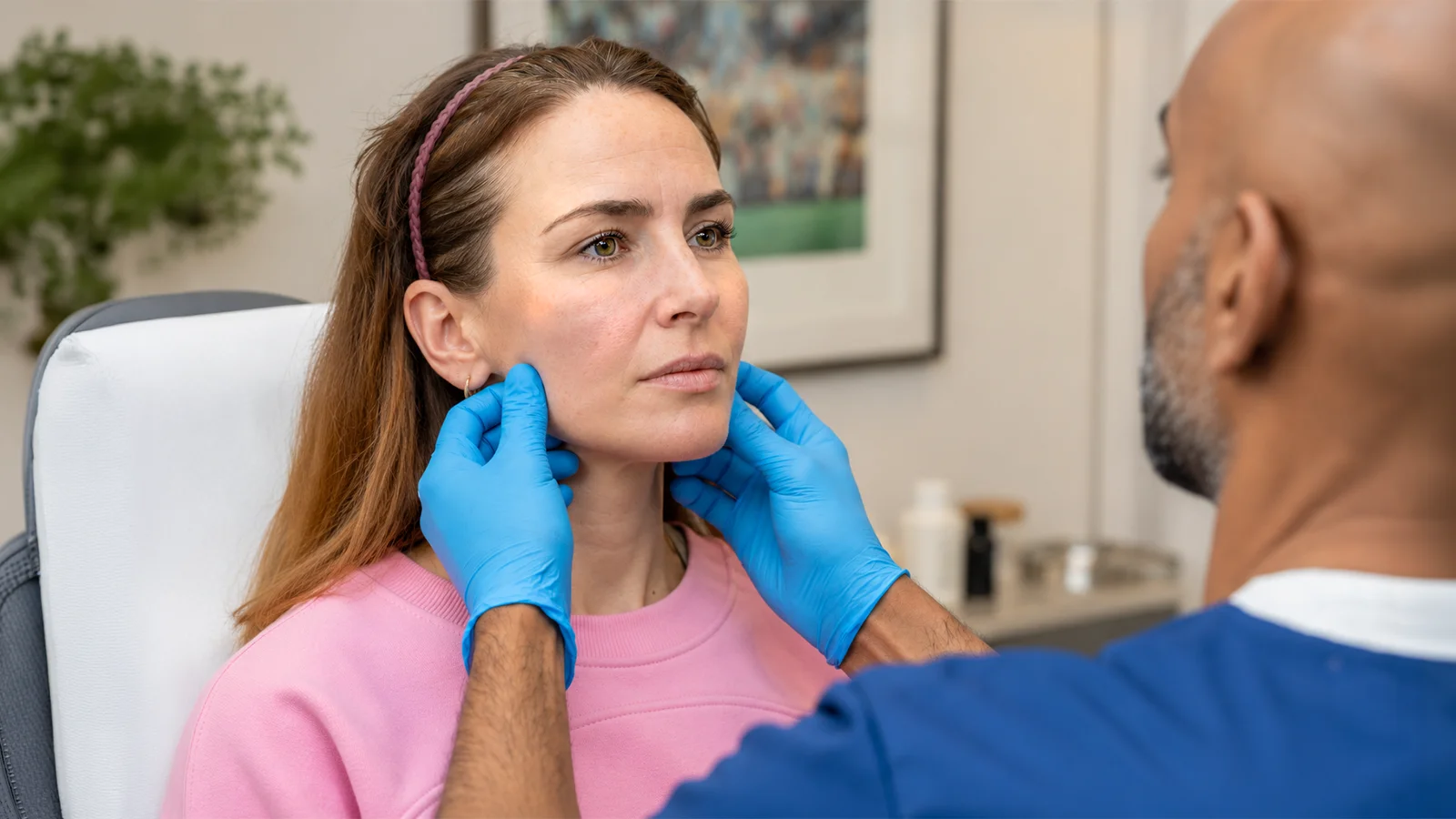
If you are considering polynucleotide treatment in Wimbledon, the most useful next step is a proper consultation. That gives us the chance to assess the treatment area carefully, talk through what is realistic, and decide whether this sort of gradual, regenerative treatment suits what you want to achieve.
At my aesthetic clinic in Wimbledon, I always prefer to keep that conversation clear, honest and pressure-free. The right treatment is the one that fits your skin, your face, and your goals.
If you do decide to go ahead, you may also find my Complete Guide to Polynucleotides Aftercare helpful, especially if you like to understand what to expect in the first few days and weeks after treatment.
You can also read Dr Mohan Clinic reviews if you would like a little reassurance before booking.
Common Questions About Polynucleotides
Polynucleotides are often described as regenerative or skin-rejuvenating treatments, but many patients still have very practical questions about what they can really do, how quickly they work, and whether they are right for concerns such as under-eye ageing or tired-looking skin. Here are some of the questions people ask most often.
How long do polynucleotide injections last after one session?
One session can begin the process, but it is usually a little early to judge the final result or its longevity properly. In most cases, the more useful answer comes after a course of treatment, because that is when the skin has had time to respond more fully.
How long do polynucleotides last under the eyes?
Under the eyes, polynucleotides are often chosen because they help improve skin quality in a delicate area. In practice, the under-eye area is one of the places where patients often appreciate the treatment most, especially when the concern is crepey skin, fine lines, or a tired look rather than volume loss.
If that is your main concern, you may also like to read Polynucleotides Under Eyes for Dark Circles and Crepey Skin, where I explain in more detail what this treatment can and cannot do in the eye area.
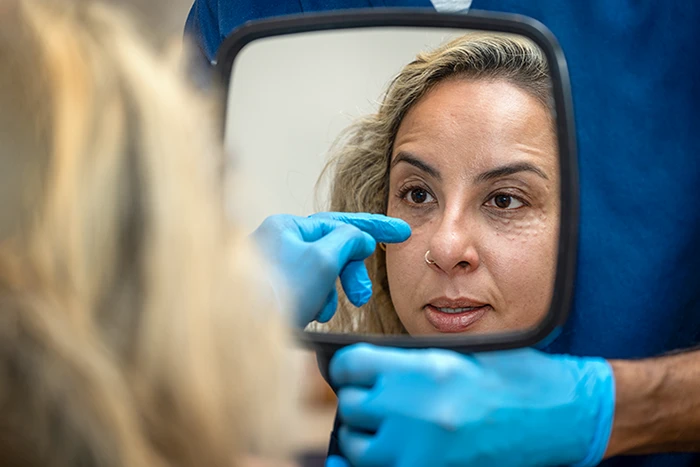
Under-eye polynucleotide treatment is usually planned as a course, with results developing gradually and maintenance considered later depending on the skin’s response.
When will I start to see results?
Some patients notice early changes within 1 to 2 weeks, especially in hydration, radiance, or skin smoothness. More noticeable improvements often become easier to appreciate after 4 to 6 weeks, with the result continuing to settle after the course.
Why do some clinics use different timeframes?
The wording can vary because treatment plans, products, and patients vary. In practice, the most helpful way to explain it is that around 6 to 9 months is a sensible guide for many people after a full course, with some variation either side depending on the individual.
How often is maintenance treatment worth considering?
Maintenance is often worth discussing at around 6 to 9 months, although the ideal timing depends on the area treated, your skin, and how much of the result you would like to keep. I usually prefer to review the skin and decide based on what is actually there.
Do polynucleotide results fade in a natural way?
Yes — they usually soften gradually. That is one reason the treatment often feels so natural. The improvement tends to build gently, and it also tends to fade in a similarly gentle way.
Are polynucleotide injections worth it if they are not permanent?
For many patients, very much so — especially if the goal is better skin quality, fresher-looking under-eyes, improved texture, and a natural-looking result. The value is often in how the skin looks and feels, rather than in any dramatic change.
Related reading:
To understand the full treatment journey, you may also find these guides useful:
– What do polynucleotides do to your skin?
– How many polynucleotide sessions do you need?
– Complete guide to polynucleotides aftercare
– Polynucleotides before and after: what changes can you expect?
Polynucleotides in Wimbledon
If you are considering polynucleotides in Wimbledon, one of the most helpful things you can do is look beyond the headline promise of the treatment and think carefully about what you want it to improve.
When patients come to see me, the conversation is usually not just about how long the treatment lasts. It is also about:
- what is bothering you most
- whether the concern is mainly skin quality, tired-looking skin, crepey texture, or something else
- what kind of result is realistic
- whether polynucleotides are the right treatment for your skin and your goals
- whether a course of treatment and future maintenance would make sense for you

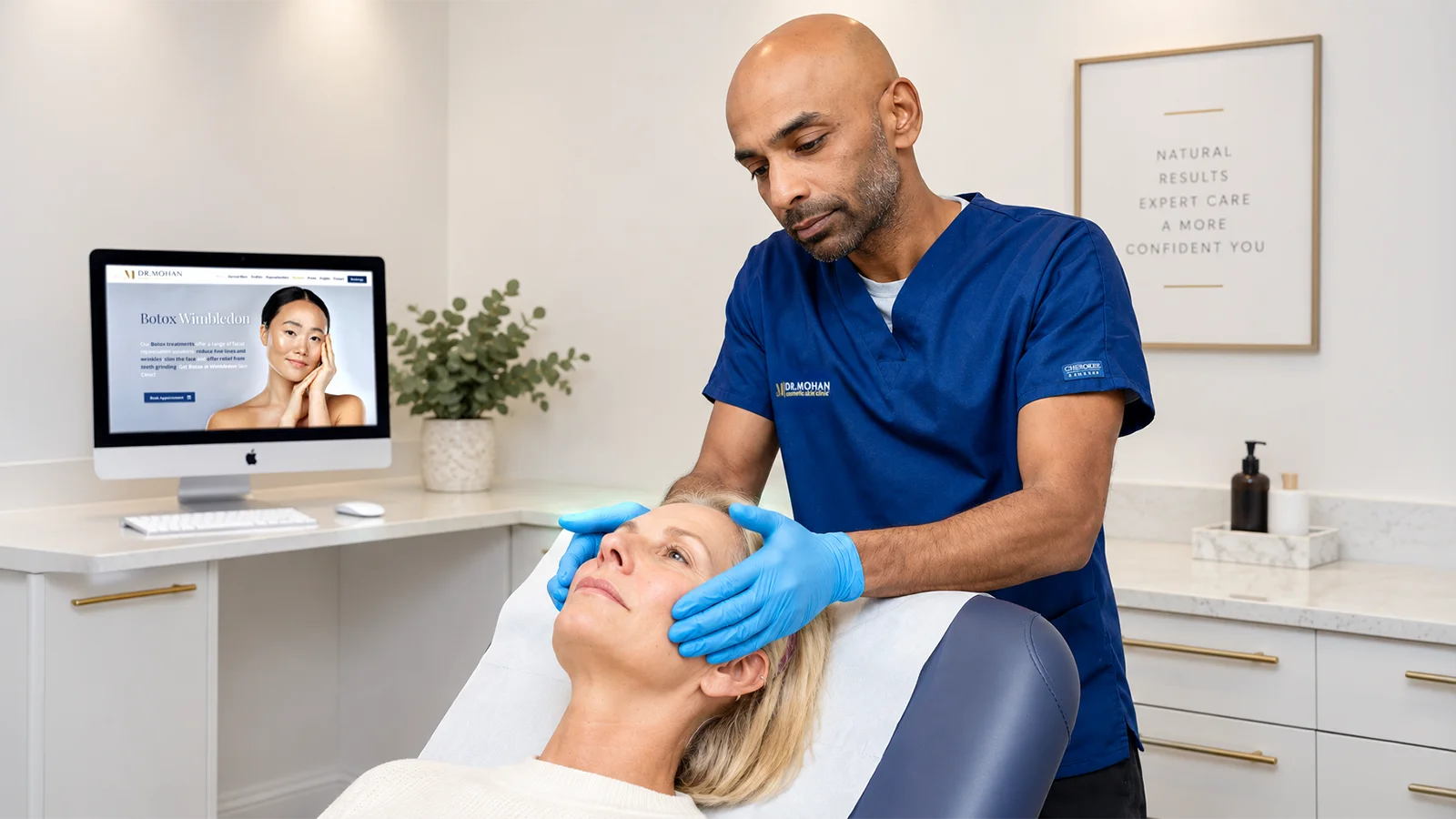
Doctor-led assessment and realistic treatment planning are central to natural-looking aesthetic results.
At my clinic, I take a careful, conservative, doctor-led approach because the best results usually come from good assessment, appropriate treatment choice, and realistic expectations. Polynucleotides can be an excellent option for the right patient, especially when the goal is healthier, fresher, better-quality skin that still looks natural.
If you are considering the polynucleotides treatment in Wimbledon, you may also like to look at my polynucleotide treatment prices and read some of the Dr Mohan clinic reviews before booking.
If you are based in Wimbledon, Raynes Park, Kingston, Richmond, Putney, Surbiton or nearby South-West London, you are very welcome to book a consultation to talk things through in person.
Book your free consultation here →
Or call me directly: 07702 389 636
Warm regards,
Dr Suresh Mohan
Contact Dr Suresh Mohan
Considering polynucleotides in Wimbledon?
For questions, free consultations or call back requests, please fill in the form below and I will get back to you as soon as possible.
By clicking ‘Send enquiry‘ you agree to Dr Mohan Clinic’s Privacy Notice.