A Doctor-Led Guide to Polynucleotide Treatment
Polynucleotides are regenerative injectable treatments designed to support skin repair, hydration and collagen activity. Unlike dermal fillers, they are not used to add volume, but to improve skin quality, texture and firmness with gradual, natural-looking results.
They are often considered when the skin has become thinner, duller, less elastic or more tired-looking over time, especially in delicate areas such as the under-eyes, face, neck and hands. Because the focus is on improving the condition of the skin itself, Polynucleotides are often chosen by patients who want subtle rejuvenation rather than an obvious change in facial shape.
I’m Dr Suresh Mohan, a GMC-registered doctor in Wimbledon with advanced Level 7 training in aesthetic medicine. I offer injectable treatments including Botox, Profhilo, Polynucleotides and dermal fillers. In clinic, I often see patients who are curious about Polynucleotides but want a clearer, more honest explanation of what they do, who they may suit, and what sort of results to realistically expect.
Updated: March 2026 – Polynucleotide Advice from an Aesthetic Doctor
This guide is regularly reviewed and based on current treatment principles, my clinical experience, and the questions patients most often ask about Polynucleotides, including benefits, downtime, safety, cost and suitability.
If you are looking for treatment in South-West London, you can also visit my main page on Polynucleotides in Wimbledon. And if you are still comparing options, my article Botox, Profhilo, Fillers & Polynucleotides: Find Your Best Fit may be a helpful place to start.
Polynucleotide Treatment at a Glance
- Best for: improving skin quality, texture, hydration and firmness
- Common areas: under-eyes, face, neck and hands
- Treatment time: usually around 45 minutes
- Downtime: mild redness, swelling or small bumps may last 24–48 hours
- When results appear: early improvement is often noticed after 2–3 weeks
- How long results last: often around 6 months, depending on the area treated and your treatment plan
- Typical plan: usually 3 treatments, spaced 2–3 weeks apart
- Price: from £350 per treatment
What are Polynucleotides?
Polynucleotides are regenerative injectable treatments designed to support skin repair, hydration and collagen activity. In aesthetic medicine, they are used to improve skin quality, texture and firmness with gradual, natural-looking results.
Unlike dermal fillers, Polynucleotides are not designed to add volume or change facial shape. They are more often chosen when the aim is to improve the condition of the skin itself, especially in areas that have become thinner, duller or less elastic over time.
In simple terms:
Some injectable treatments focus mainly on volume.
Others focus mainly on hydration.
Polynucleotides are different — they are often used when the priority is skin regeneration and overall skin quality.
Polynucleotides are often considered for:
- Skin quality – improving hydration, texture and overall skin condition
- Smoother texture – helping the skin look fresher and more refined
- Fine lines – supporting early lines in a subtle, regenerative way
- Crepey or thinning skin – especially in delicate areas
- Under-eye skin quality – where the aim is support rather than added volume
- Natural-looking rejuvenation – for patients who want gradual improvement over time
They are especially popular in delicate areas such as the under-eyes, face, neck and hands, where the goal is usually to support the skin itself rather than create an obvious change in volume.
If you would like a more detailed explanation of treatment areas and what to expect, you can also visit my page on Polynucleotides in Wimbledon.
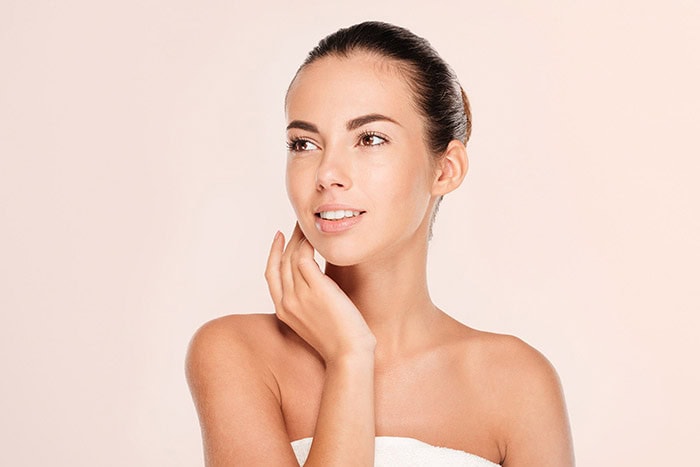
Polynucleotides are often chosen to improve skin quality, texture and firmness with subtle, natural-looking results.
How do Polynucleotides work?
Polynucleotides work by supporting the skin’s natural repair processes. Rather than creating an instant filling effect, they are used to help the skin recover, function better and gradually look healthier, smoother and more resilient over time.
They are often chosen when the skin has become thinner, duller, less elastic or more tired-looking over time. In aesthetic medicine, Polynucleotides are especially popular in delicate areas such as the under-eyes, face, neck, hands and décolletage, where the goal is to improve the condition of the skin itself rather than change facial shape.
What happens beneath the skin?
- Skin support
Polynucleotides help create a better environment for skin repair in the treated area. - Hydration and resilience
They are used to support hydration and improve the overall condition of the skin, especially where it has become thinner, duller or less elastic. - Gradual improvement
Over time, this may lead to smoother texture, better skin quality and a fresher, more supported appearance.
Important to know
Unlike dermal fillers, Polynucleotides are not designed to create instant volume. Their effects tend to develop gradually, which is why they are often chosen by patients seeking subtle, natural-looking improvement.
This regenerative approach makes Polynucleotides particularly useful in areas where skin quality matters most, including the under-eyes, face, neck and hands. In these areas, the aim is usually to support thinner or more delicate skin in a subtle, natural-looking way.
For practical treatment details, including cost, downtime and what to expect at my clinic, see my page on Polynucleotides in Wimbledon.

Polynucleotides significantly contribute to skin elasticity smoothing fine lines and wrinkles.
What may Polynucleotides help with?
Polynucleotides are often used when the aim is to improve skin quality in a gentle, regenerative way. Rather than creating an instant volumising effect, they are usually chosen to help the skin look fresher, smoother and better supported over time.
Polynucleotides may be considered for:
- Skin quality – to support hydration, texture and overall skin condition
- Fine lines – to help soften the look of early lines
- Crepey skin – especially in delicate or thinning areas
- Under-eyes – to help the area look fresher and better supported
- Firmness – where the skin feels less elastic or less resilient
- Natural-looking rejuvenation – for patients who want gradual improvement rather than obvious volume
Best suited to: under-eyes, face, neck, hands, décolletage.
That said, Polynucleotides are not the right treatment for every concern. If the main issue is deeper volume loss or a need for stronger structural support, another treatment — or a combination approach — may be more appropriate.
Who may suit Polynucleotide treatment?
Polynucleotide treatment may suit patients who want to improve skin quality in a gradual, natural-looking way rather than add obvious volume or dramatically change facial shape. It is often considered when the skin looks thinner, duller, less elastic or more tired-looking over time, especially in delicate areas such as the under-eyes, cheeks, jawline and neck.
Polynucleotide treatment may suit patients looking for:
- Improved skin quality – especially where the skin feels thinner, duller or less resilient
- Better hydration – for skin that looks tired or less fresh than it used to
- Support for fine lines – particularly in delicate areas
- Fresher-looking under-eyes – when skin quality is part of the concern
- Gradual rejuvenation – rather than an instant volumising effect
- More resilient skin – with smoother texture and better overall support
When skin starts to look thinner, more crepey or less supported
This is the kind of change many patients notice gradually: finer, thinner-looking skin, more visible lines, and a sense that the face looks a little more tired or less supported than it used to.
In this kind of situation, Polynucleotides may be considered when the goal is to improve skin quality, hydration and resilience in a subtle, regenerative way.
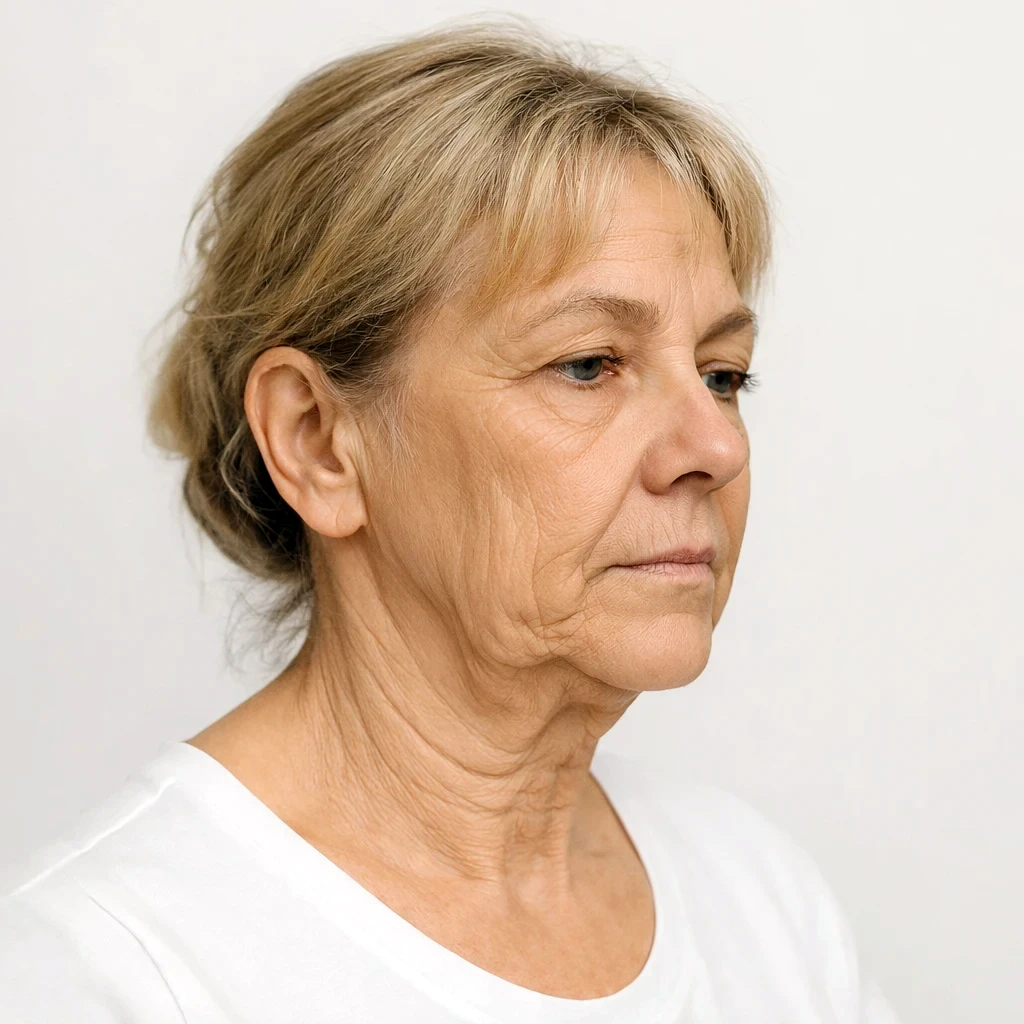
When the goal is fresher-looking, better-supported skin
Polynucleotides are often chosen by patients who want gradual improvement rather than an instant volumising effect.
The aim is usually smoother texture, better hydration, and skin that looks fresher, healthier and more supported over time — not an obvious change in facial shape.
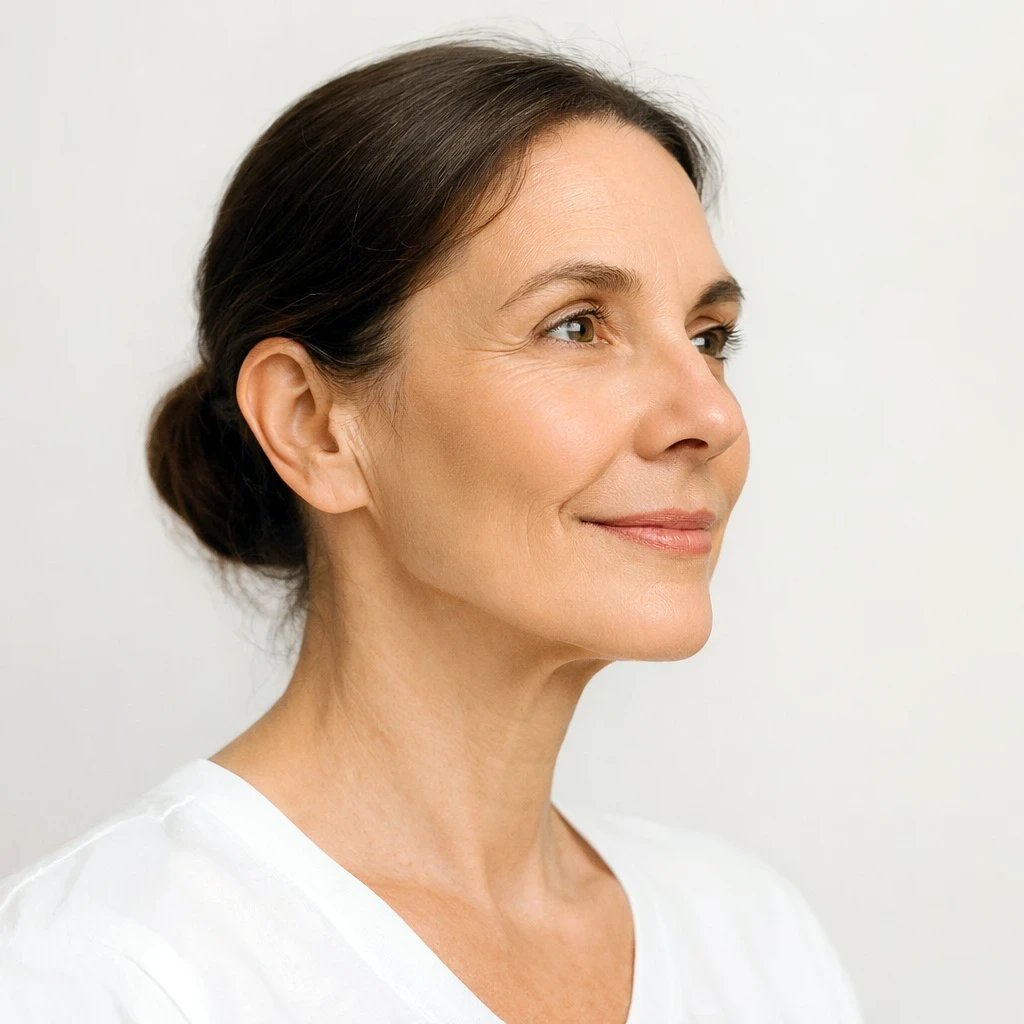
Important to know
These images are for illustration only. Polynucleotide results vary from person to person and depend on the area treated, skin condition, treatment plan and individual response.
What is Polynucleotide treatment like?
Polynucleotide treatment is usually straightforward and relatively quick. At my clinic, appointments typically take around 45 minutes, including consultation, consent and the procedure itself.
What happens on the day?
- Consultation and assessment
We start by discussing your concerns, the areas being considered and whether Polynucleotides are the right fit for you. - Planning and preparation
If suitable, I explain the plan, take a pre-treatment photograph and talk you through what to expect before we begin. - Treatment
Polynucleotides are placed into the chosen area using a series of small injections with a fine needle or cannula, depending on the area being treated. Numbing cream can be used if needed. - Aftercare and follow-up
You will be given clear aftercare advice before you leave, and a review appointment can be arranged to assess how things are progressing.
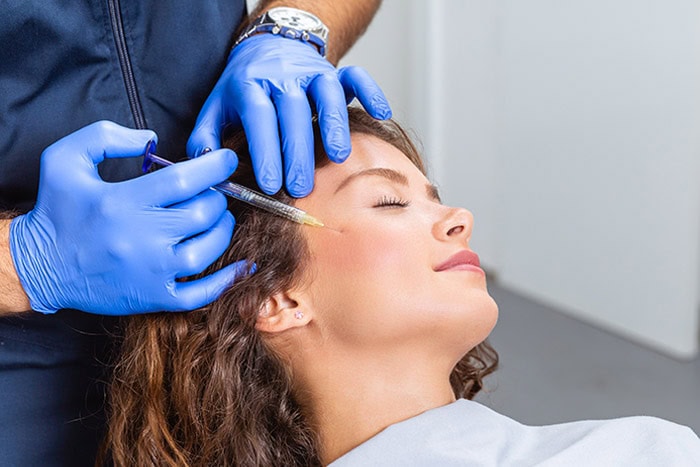
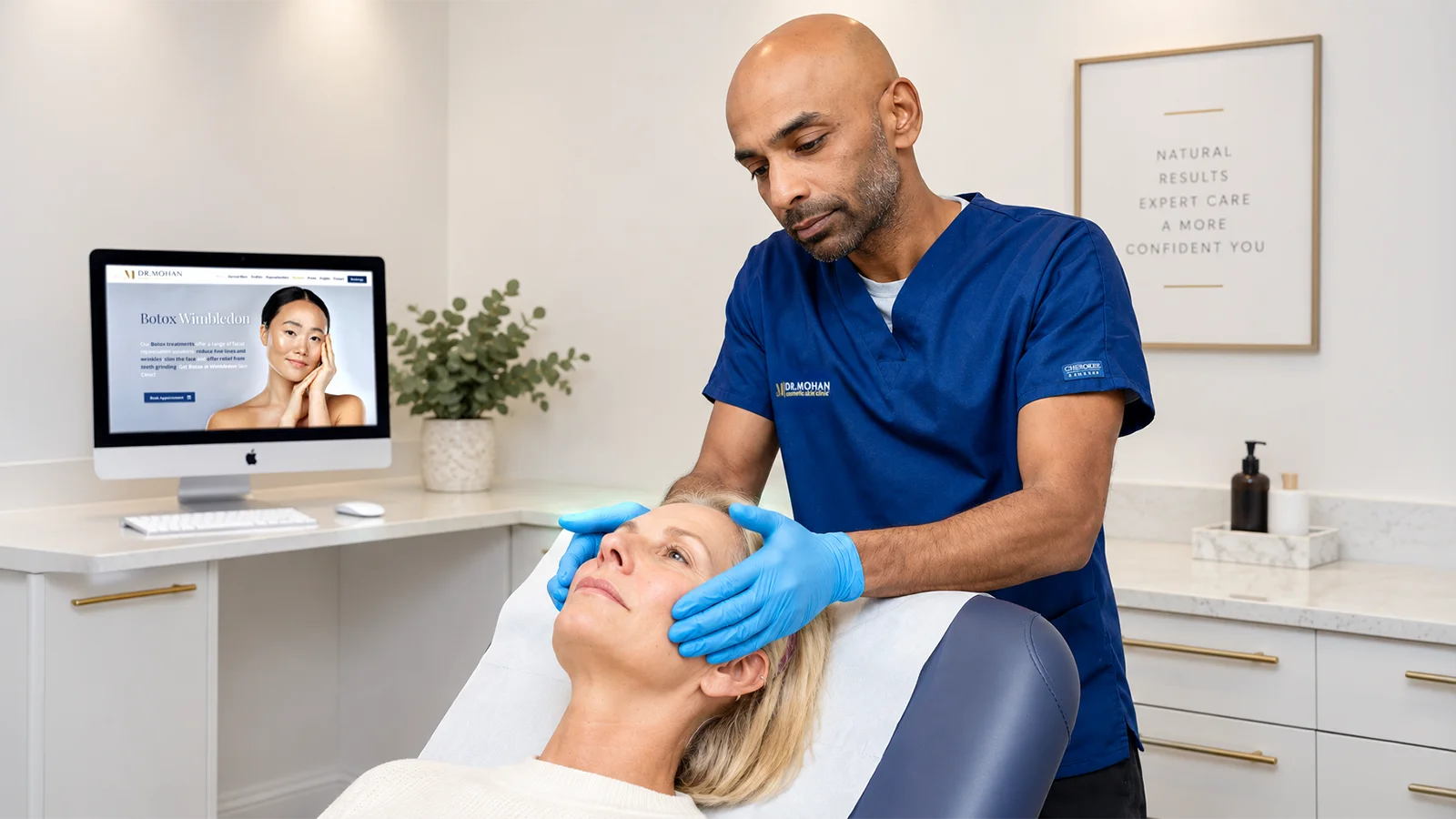
Precision and care: Patient undergoing the Polynucleotides treatment procedure.
What to expect
- Treatment time: usually around 45 minutes
- Comfort level: generally well tolerated, though slightly more uncomfortable than Botox for some patients
- Typical plan: usually 3 treatments, spaced 2–3 weeks apart
- Maintenance: often every 6 months
Most patients return to normal daily activities soon afterwards, although some mild redness, swelling or small bumps can be expected for a short time. If you would like practical details about downtime, cost and treatment planning at my clinic, you can also visit my page on Polynucleotides in Wimbledon.
What is downtime like?
Downtime after Polynucleotide treatment is usually minimal. Most patients can return to normal daily activities shortly afterwards, although some temporary redness, swelling or small bumps at the injection sites are common.
What is normal after treatment?
It is common to notice:
- Mild redness – especially around the injection sites
- Slight swelling – which usually settles quickly
- Small bumps – where the product has been placed
- Tenderness – for a short time after treatment
- Bruising – which can happen with any injectable treatment
These effects usually settle within 24–48 hours, although bruising can take a little longer to fade.
Important to know
It is usually best to avoid important face-to-face plans for the rest of the day if possible, especially if the treated area is visible.
As with any injectable treatment, bruising can sometimes occur. If this happens, it is usually temporary and settles gradually over the following days. Full aftercare advice should always be provided before you leave the clinic.
When to get in touch
- if swelling feels excessive
- if you are worried about how the area looks
- if symptoms seem to be getting worse rather than better
- if you have any unexpected reaction
If you would like more practical advice on what to avoid after treatment, I also cover this in my guide to Polynucleotide aftercare.
When do results appear and how long do they last?
Polynucleotide results are usually gradual rather than immediate. Early improvement is often noticed after 2–3 weeks, with further change developing as the treatment course progresses.
Yes, Polynucleotides are suitable for many skin types!
A simple timeline
After the first treatment
Some patients notice that the skin feels a little fresher, smoother or better hydrated, although this can be subtle at first.
After 2–3 weeks
Early visible improvement often starts to become easier to appreciate.
After a full course
A course of 3 treatments, spaced around 2–3 weeks apart, is usually recommended for the best and most lasting results.
Maintenance
Results often last around 6 months, with maintenance treatment commonly advised after that if needed.
At a glance
- Early improvement: often noticed after 2–3 weeks
- Best results: usually after a full course of treatment
- Typical course: 3 treatments, 2–3 weeks apart
- Longevity: often around 6 months
- Maintenance: commonly every 6 months if needed
If you are looking for an instant volumising effect, Polynucleotides may not be the right treatment. They are generally better suited to patients who want gradual, natural-looking improvement in skin quality over time. How long results last can vary depending on the area treated, your skin, your treatment plan and wider factors such as lifestyle and skincare.
Are Polynucleotides safe?
Polynucleotide treatment is generally considered well tolerated when used appropriately and after a careful consultation. Recent reviews in aesthetic medicine describe it as a treatment with a favourable safety and tolerability profile, while also noting that the overall evidence base is still developing and that higher-quality studies are still needed.
What is normal after treatment?
As with any injectable treatment, it is common to have:
- Temporary redness
- Mild swelling
- Tenderness at the injection sites
- Small bumps for a short time
- Occasional bruising
These effects are usually mild and temporary, and most settle without any problem.
What is less common, but still important to know?
There is also a small risk of infection or other complications, which is why treatment should always be carried out in a safe clinical setting with proper assessment, technique and aftercare. Consensus guidance in aesthetic medicine emphasises careful patient selection and safe technique as part of good practice.
Important to know
Polynucleotides are used to improve skin quality rather than create dramatic volume or significantly change facial shape. That is one reason many patients find them appealing, but suitability still matters, and they are not the right treatment for every concern.
If you are unsure whether Polynucleotides are suitable for you, this is something I would always assess carefully during consultation. If you are considering any cosmetic treatment, the NHS advice on choosing who will do your cosmetic procedure is also helpful. If you would like practical information about treatment planning, downtime and cost, you can also visit my page on Polynucleotides in Wimbledon.

Doctor-led Polynucleotide treatment in a safe clinical setting
How much do Polynucleotides cost?
At my clinic, Polynucleotide treatment prices start from £350 for one area. The exact cost depends on the area being treated, how many areas are treated in the same session, and the treatment plan recommended for you.
Estimated Cost Range for Polynucleotides
| Treatment | Prices from |
| Polynucleotide | Book online |
| One Area | £350 |
| Two Areas | £700 |
| Three Areas | £1000 |
| For optimal results, I recommend initial 3 treatments three weeks apart, followed by 1 treatment 6 monthly to maintain results. | |
What affects the final cost?
- The area being treated – smaller and larger areas may require different amounts of product
- How many areas are treated – treating more than one area in the same session increases the total cost
- Your recommended treatment plan – some patients may benefit from a full course rather than a single session
- Maintenance over time – results are often maintained with follow-up treatment if needed
Good to know
Polynucleotides are usually recommended as a course of 3 treatments, spaced around 2–3 weeks apart, followed by maintenance treatment if needed. This is something I will always explain clearly during consultation, so you know what to expect before deciding whether to proceed.
Visit price page to find out more about how much does the Polynucleotide treatment cost in London.
Why a Consultation Is Key
To ensure that all your questions are answered and that you feel confident and informed about your decision, I encourage you to book a free consultation at my Wimbledon aesthetic clinic. This no-obligation session is an opportunity for us to discuss your goals, explore the possibilities that Polynucleotides treatment can offer. It’s also the perfect time to discuss any concerns you might have about the procedure, including understanding the costs involved.
Polynucleotides vs Profhilo
Polynucleotides and Profhilo are both injectable treatments used to improve skin quality, but they are not the same thing. Profhilo is a hyaluronic acid treatment that is commonly used for hydration, skin remodelling and improving firmness. Polynucleotides do not contain hyaluronic acid. They are generally used in a more regenerative way, with the aim of supporting skin repair, hydration and collagen activity over time.
| Feature | Polynucleotides | Profhilo |
|---|---|---|
| Main focus | Regeneration and skin quality | Hydration and remodelling |
| Made from | Purified DNA fragments | Hyaluronic acid |
| Best for | Thin, delicate, crepey or tired-looking skin | Dull, dehydrated, less supple skin |
| Results | Gradual | Gradual |
| Common areas | Face, under-eyes, neck, hands | Face, neck, hands, body areas |
Important to know
Neither treatment is “better” in every situation. The right choice depends on your skin, the area being treated, and whether the main priority is hydration, regeneration, support, or a combination of these.
In practice, Polynucleotides are often considered when the focus is on improving the condition of the skin itself in a regenerative way, especially in delicate areas. Profhilo is often chosen when hydration and overall skin remodelling are the bigger priorities. Some consensus guidance on Polynucleotides also discusses their use alone and in combination plans, which is why the best choice is always individual.
If you would like to read more about Profhilo itself, you can also visit the official Profhilo information website. And if you want a more detailed comparison, this is also a topic I cover in my dedicated guide to Polynucleotides vs Profhilo.
For a wider comparison that also includes structural support, see my guide to regenerative aesthetics with Profhilo, Profhilo Structura and polynucleotides.

Both treatments improve skin quality, but in different ways depending on whether the priority is regeneration or hydration.
Polynucleotides vs Dermal Fillers
Although both treatments are injected, they are used for very different reasons. Dermal fillers are usually used to restore volume, shape and contour, while Polynucleotides are used to improve skin quality, texture and firmness over time. Dermal fillers are commonly described as treatments that restore fullness and soften facial lines, whereas recent reviews describe Polynucleotides as regenerative treatments used to improve skin texture, elasticity, hydration and overall skin quality.
| Feature | Polynucleotides | Dermal Fillers |
|---|---|---|
| Main aim | Improve skin quality, hydration and firmness | Restore volume, shape and contour |
| Effect | Gradual and regenerative | More immediate structural effect |
| Best suited to | Thin, dull, delicate or crepey skin | Volume loss, contour change, deeper folds |
| Typical result | Fresher, smoother, better-supported skin | Fuller, more defined facial features |
| Used for | Under-eyes, face, neck, hands, décolletage | Lips, cheeks, jawline, folds, contour areas |
This difference matters because fillers are generally used when the main issue is loss of volume or structure, whereas Polynucleotides are more often considered when the main issue is skin quality. Dermal fillers are described by major medical sources as treatments that restore volume and fullness in the face, while Polynucleotides are increasingly discussed in aesthetic literature as regenerative treatments for skin texture, hydration and wrinkle appearance.
When is each one usually considered?
Polynucleotides may be considered when:
- The skin looks thinner or duller
- The under-eye area looks tired or less supported
- Skin quality is the main priority
- The aim is subtle, natural-looking rejuvenation
Dermal fillers may be considered when:
- There is visible volume loss
- Contour or structure needs support
- Lips, cheeks or jawline need definition
- The main goal is a more immediate shape or volume change
Important to know
Polynucleotides are not a direct substitute for dermal fillers. If the main concern is structural volume loss, fillers may be the more appropriate option. If the main concern is skin quality, Polynucleotides may be more suitable. In some cases, the two can work well together as part of a personalised treatment plan. Fillers are designed to restore fullness and contour, while Polynucleotides are used in a more regenerative way.
This is why consultation matters. Two patients may both say they “look tired”, but one may mainly need support for skin quality, while another may have deeper structural volume loss that is better addressed in a different way.
If you are still comparing injectable options, you may also find my guide Botox, Profhilo, Fillers & Polynucleotides: Find Your Best Fit helpful. For broader public information about cosmetic procedures, the NHS cosmetic procedures advice page is also worth reading.
If you want a more detailed comparison, this is also a topic I cover in my dedicated guide to Polynucleotides vs Dermal Fillers.

Polynucleotides focus on skin quality, while dermal fillers are used when added volume or contour is the main goal.
Frequently Asked Questions About Polynucleotides
The questions below cover some of the more specific things patients often want to know before deciding whether Polynucleotide treatment is right for them. I’ve kept the answers brief here, but many of these topics can also be explored in more detail in dedicated articles.
- Are Polynucleotides worth it?
- Polynucleotides vs Skin Boosters: what’s the difference?
- Can you have Profhilo and Polynucleotides together?
- What should you expect after Polynucleotide treatment?
- What should Polynucleotides look like immediately after treatment?
- Small bumps after Polynucleotides: is it normal?
- Is Polynucleotide treatment suitable for under-eye dark circles?
- Are there any side effects from Polynucleotide aesthetic procedures?
1. Are Polynucleotides worth it?
Polynucleotides may be worth considering if your main goal is to improve skin quality in a gradual, natural-looking way. They are often chosen by patients who are less interested in adding volume and more interested in smoother texture, better hydration, fresher-looking under-eyes and healthier-looking skin overall.
Whether they feel “worth it” depends on your expectations. If you want a subtle, regenerative improvement that develops over time, they can be a very good option. If you are hoping for an instant, dramatic change in contour or fullness, another treatment may be more appropriate.
2. Polynucleotides vs Skin Boosters: what’s the difference?
Both Polynucleotides and skin boosters are used to improve skin quality, but they are not quite the same. Skin boosters are generally used to increase hydration and improve glow, while Polynucleotides are often used in a more regenerative way to support skin repair, resilience and overall skin condition.
In practice, the best option depends on what you are trying to improve. If the main issue is dehydration, a skin booster may be more suitable. If the priority is thinner, more delicate or more crepey skin, Polynucleotides may be the better fit. This is a good topic for a separate comparison article later.
3. Can you have Profhilo and Polynucleotides together?
Yes, in some cases Profhilo and Polynucleotides can be used as part of a wider treatment plan. Although both are injectable skin treatments, they work differently, so they can sometimes complement each other rather than compete.
The key is timing and treatment planning. Some patients benefit from combining hydration-focused treatment with a more regenerative approach, but this should always be decided on an individual basis rather than as a standard formula.
4. What should you expect after Polynucleotide treatment?
Immediately after treatment, it is common to have some mild redness, slight swelling or small bumps at the injection sites. Most patients can return to normal daily activities soon afterwards, although it is usually wise to avoid important social plans for the rest of the day if possible.
Over the next days and weeks, those early treatment marks usually settle and the skin gradually starts to recover and respond. Polynucleotides are not an instant-result treatment, so improvement is usually more subtle at first and becomes easier to appreciate over time.
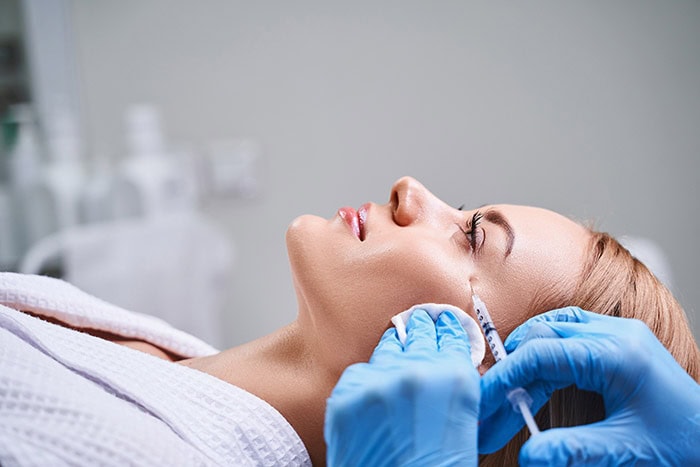
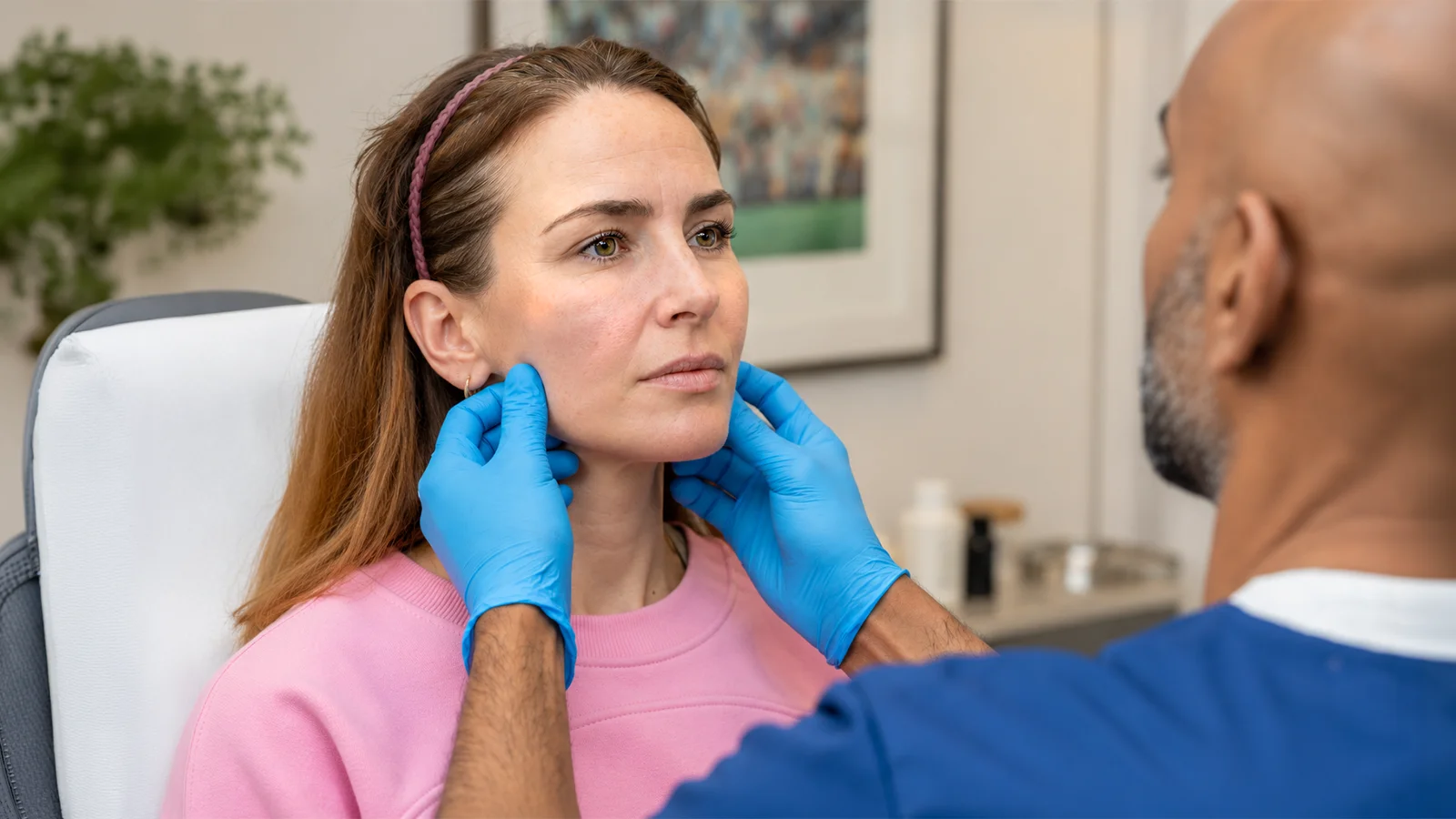
A woman receiving a Polynucleotides treatment to rejuvenate and enhance her skin’s health and appearance.
5. What should Polynucleotides look like immediately after treatment?
Straight after treatment, the skin may show small raised bumps where the product has been placed, along with some redness or mild swelling. This is usually expected and does not mean anything has gone wrong.
The treated area should not look dramatically different in terms of shape or facial expression. Polynucleotides are not designed to create a sudden volumising effect, so what you are usually seeing immediately afterwards is short-term treatment response rather than the final result.
6. Small bumps after Polynucleotides: is it normal?
Yes, small bumps can be completely normal immediately after Polynucleotide treatment. They usually reflect where the product has been placed and often settle within 24–48 hours.
If the bumps are not settling, seem to be getting worse, or are accompanied by unusual pain, worsening swelling or other symptoms that concern you, it is always sensible to contact the clinic. This would make a very useful dedicated aftercare article later.
7. Is Polynucleotide treatment suitable for under-eye dark circles?
It can be, but it depends on the cause of the dark circles. Polynucleotides may be considered when the under-eye area looks thin, crepey, tired or less supported, especially if skin quality is part of the problem.
They are not a universal answer to every kind of dark circle. If shadowing is caused mainly by deeper structural hollowness, pigment, or other anatomical factors, another treatment — or a combination approach — may be more suitable. That is why under-eye assessment matters so much.
8. Are there any side effects from Polynucleotide aesthetic procedures?
As with any injectable treatment, temporary redness, swelling, tenderness, bruising or small bumps can happen. These effects are usually mild and short-lived, but they are still worth knowing about before treatment.
More significant complications are uncommon, but safe technique, careful patient selection and proper aftercare always matter. This is why I approach treatment in a doctor-led, consultation-first way rather than treating every patient the same.

Immediately after treatment, small bumps, mild redness or slight swelling can be completely normal and usually settle within 24–48 hours.
Further reading:
If you are researching polynucleotides, you may also find these guides helpful:
– What do polynucleotides do to your skin?
– How long do polynucleotide injections last?
– How many polynucleotide sessions do you need?
– Polynucleotides under eyes
– Polynucleotides aftercare
Looking for Polynucleotides in Wimbledon?
If you are considering Polynucleotide treatment and would like personalised advice, my main page on Polynucleotides in Wimbledon covers pricing, downtime, suitability and what to expect in more practical detail.
At my clinic, I take a calm, doctor-led approach to treatment planning. The aim is always to understand your skin concerns properly, explain the options honestly, and recommend the approach that is most appropriate for you — whether that is Polynucleotides, another treatment, or sometimes no treatment at all.
If you are based in Wimbledon, Raynes Park, Kingston, Richmond, Surbiton or nearby South-West London, you are very welcome to book a consultation to talk things through in person.
Book your free consultation here →
Or call me directly: 07702 389 636
Warm regards,
Dr Suresh Mohan
Contact Dr Suresh Mohan
Considering Polynucleotides treatment in Wimbledon? My clinic is dedicated to providing this advanced skin rejuvenation technique, ensuring top-notch care in the heart of London.
If you have a specific question, want to book a free consultation or request a call back, please fill in the form below, and I will get back to you as soon as possible.
By clicking ‘Send enquiry‘ you agree to Dr Mohan Clinic’s Privacy Notice.